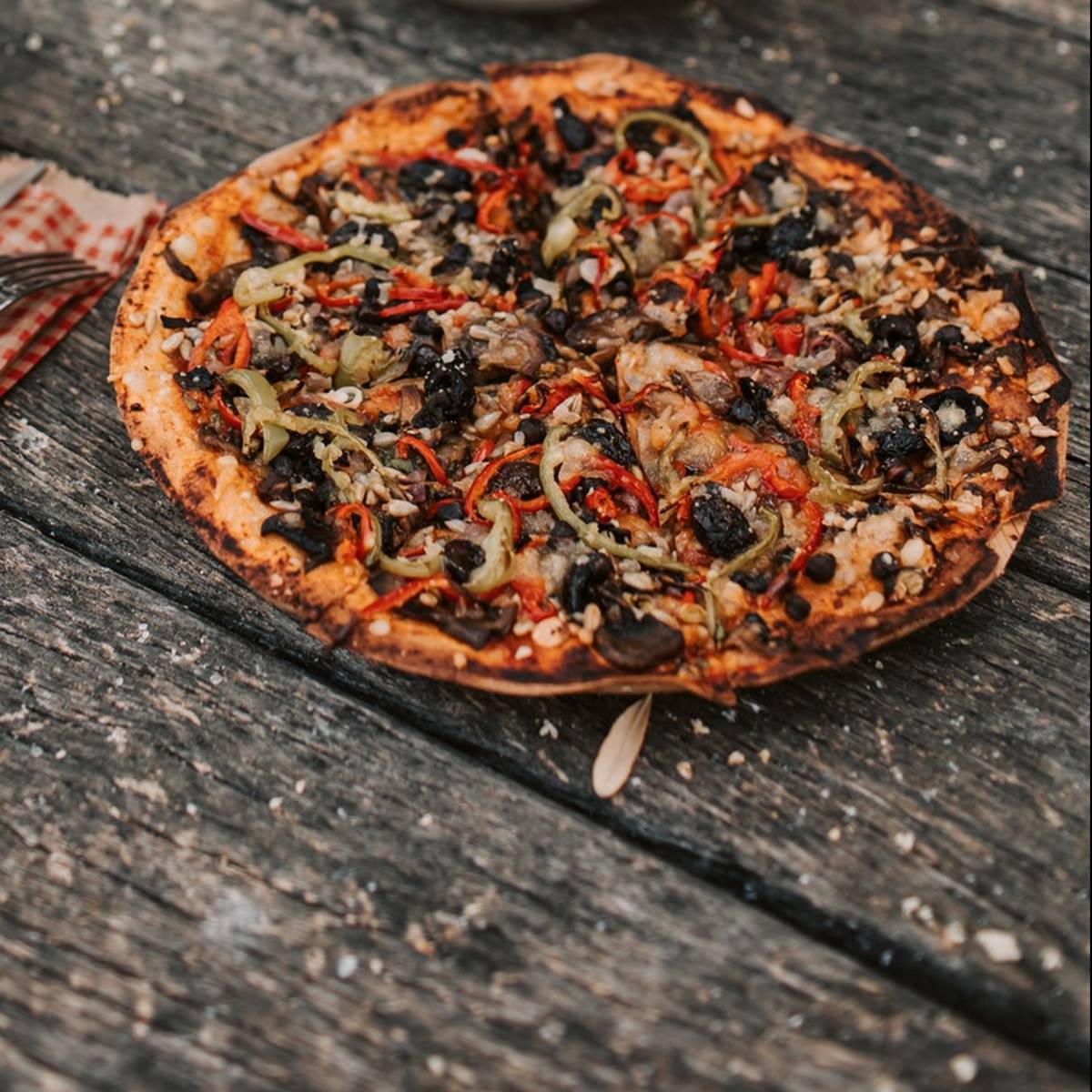
Pizzas are the queens of fast food, tasty and very easy to prepare, but they are also healthy if they are made with quality ingredients.
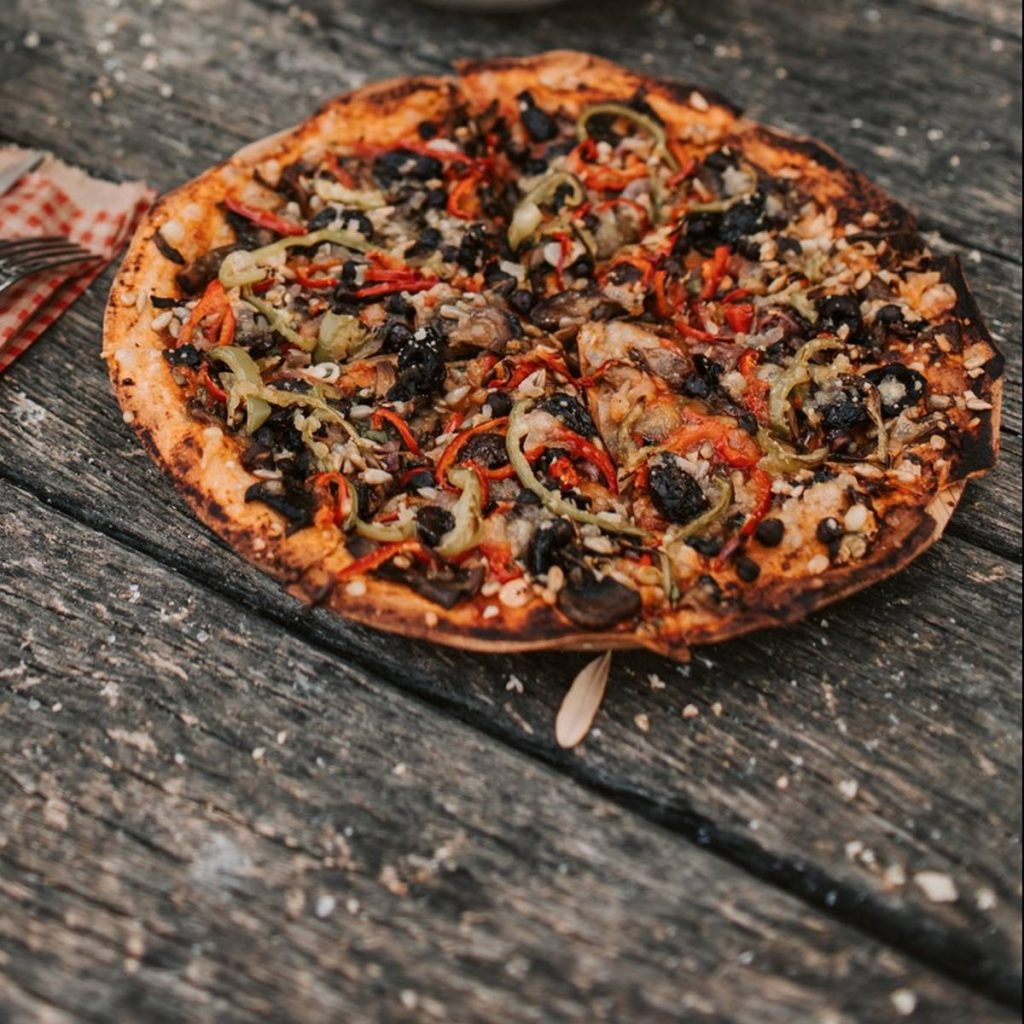
Pizzas, with their humble origins and the simplicity of their ingredients, are a clear example of culinary knowledge, economy of means and nutritional quality common to many civilizations.
In prehistoric caves, they are represented in the form of cakes cooked on the coals; The Persians accompanied them with cheese with dates and the Romans consumed them in specialized establishments.
But it is in Naples, after the discovery of America, where the then exotic tomato begins to be added and pizzas become what they are today: a mythical, desired and simple dish that Italy has exported to the whole world and of which everyone has their version.
Vicissitudes and origins aside, pizza is a current dish, paradigm of Mediterranean cuisine, which allows you to eat quickly, imaginatively and healthily. It is related to empanada, quiche, coca, focaccia, corn cake or bagnat bread… with almost any recipe that is made with a dough base.
It is true that industrial pizzas or pizzas made with very fatty foods are unbalanced and too caloric. However, homemade or artisan pizzas, made with good flours, olive oil, fresh vegetables and some not too fatty cheese, are an exquisite and healthy dish.
They provide a good base of carbohydrates with energy, vegetables that raise the daily fiber ration, proteins and a moderate contribution of quality fats thanks to olive oil or olives.
In addition, it is a recipe that admits to being veganized. Check here how to prepare a vegan and healthy pizza to suit you.
A PIZZA FOR EVERY PALATE
There is nothing written about tastes: there are those who appreciate thin and crispy dough pizzas, others love thick and fluffy dough, and there are those who prefer them folded, such as calzone, or made with whole wheat flour. The key is to choose a good dough, not refill it and know how to combine the ingredients.
- Mass. It can be prepared at home or, if you do not have time, use a quality pre-made base. Another option is to buy bread dough at the bakery and make it to order, or assemble the pizza on a slice of village bread. It’s fast, delicious… and bread in short!
- Tomato. It is one of the basic ingredients, although it should not stand out from the others. It is usually distributed on the bare dough: a sauce, a few slices of ripe tomato, grated tomato and seasoned with oil, salt, pepper, garlic and oregano, or open cherry.
- Cheese. If cheese is abused, the pizza is heavy and very caloric. The ideal is a fresh vegan mozzarella, although they serve other vegan cheeses that melt well.
- Vegetables. They give freshness to the pizza. Spinach, pumpkin, onion, leek, pepper, eggplant, artichoke, asparagus, zucchini, mushrooms… It is advisable to cut them thin so that they cook well, although some may be preferable to cook them lightly before. Another option is to add them when taking the pizza out of the oven: arugula, sprouts or even flowers.
- Fruits. Orange, figs, berries, pineapple and apple are delicious on pizza. They should be added towards the end.
- Olives. The black ones are excellent, but you can also use not very hard green olives or olive paste.
- Nuts. They provide flavor and a crunchy touch: walnuts, pine nuts with pumpkin, pistachios with onion, almonds with pepper, hazelnuts with arugula…
- Oil. It is usually an oil flavored with chilli or garlic, or one macerated with aromatic plants or nuts. It can be spread on the base but the healthiest thing is to add it after cooking.
- Aromatic plants. Basil, oregano, marjoram, chives, sage, parsley, thyme… You have to dare to try.
- Tofu and seitan. Seitan, chopped in an electrical appliance or dried so that it does not release much water. Tofu, sliced or cubed, well-seasoned is a good option.
HOW TO PREPARE HOMEMADE PIZZA DOUGH?
Each mass has its secrets and, although not all of them can be revealed, a few clues can be given. To prepare the dough, six ingredients are enough:
- Flour. Refined wheat flour can be used but it should be of quality and adequate (for elasticity and quantity of gluten), such as strength or 00. With wholemeal flour, spelt, corn, rye or flour suitable for celiacs, good doughs are also obtained, although whole wheat flour is usually mixed with white flour in equal parts to facilitate kneading.
- Water. With cold water the dough is thinner; If it is warm, it is thick and fluffy. 500-750 ml per kilo of flour is added. It can be mineral water.
- Yeast. It allows to ferment the dough, which gives it volume and flavor. It is usually pressed or dried brewer’s yeast (60 g of the first or 20 g of the second per kilo of flour). The pressing is diluted in water and the dried is mixed with the flour. Both are found in bakeries or large supermarkets.
- Salt. It gives flavor and elasticity to the dough and favors fermentation. 20 to 25 g per kilo are added. It should not be mixed directly with the yeast because then it interferes with the process. Or it is added at first with flour or after yeast.
- Sugar. It helps ferment, although it is often not used. Half the weight of the salt is added.
- Oil. It provides volume, elasticity, a more durable dough and a thin crust. It is advisable to use an oil of up to 0.4º of acidity and, at most, 5% of the weight of the flour. More oil provides an elastic and tasty mass, but very heavy.
The preparation is simple, but depends fundamentally on the type of yeast used:
With dry yeast:
- In a bowl mix the flour and yeast. Add the water, knead and room; Keep kneading and pour the oil.
- Pour over on the table and knead with the palms of your hands for about 10 minutes. The more you knead, the better it will be.
- Cover with a cloth and let stand 24 hours.
With fresh yeast:
- Mix the flour, salt and sugar. Form a volcano, crumble the yeast in the middle and dilute with water.
- With a few rods go trapping the flour and at the end add the oil. Knead and let stand for at least an hour.
- To finish, stretch on the table and shape it. Fill and bake 15-20 minutes at 210 ºC.