Onions are a healthy food that are believed to have anti-infective and anti-cancer properties. It is advisable to know the characteristics of its different varieties to know how to prepare it and include it in the menus in the best possible way.
In addition to having anti-infective and anti-cancer properties, onions help regulate cholesterol and prevent circulatory problems. There are many types of onions, all of them healthy although, due to their organoleptic characteristics, some are more suitable to eat raw, cooked, in salads… Find out how to prepare its different varieties.
PEARLS OR COCKTAIL SHAKERS
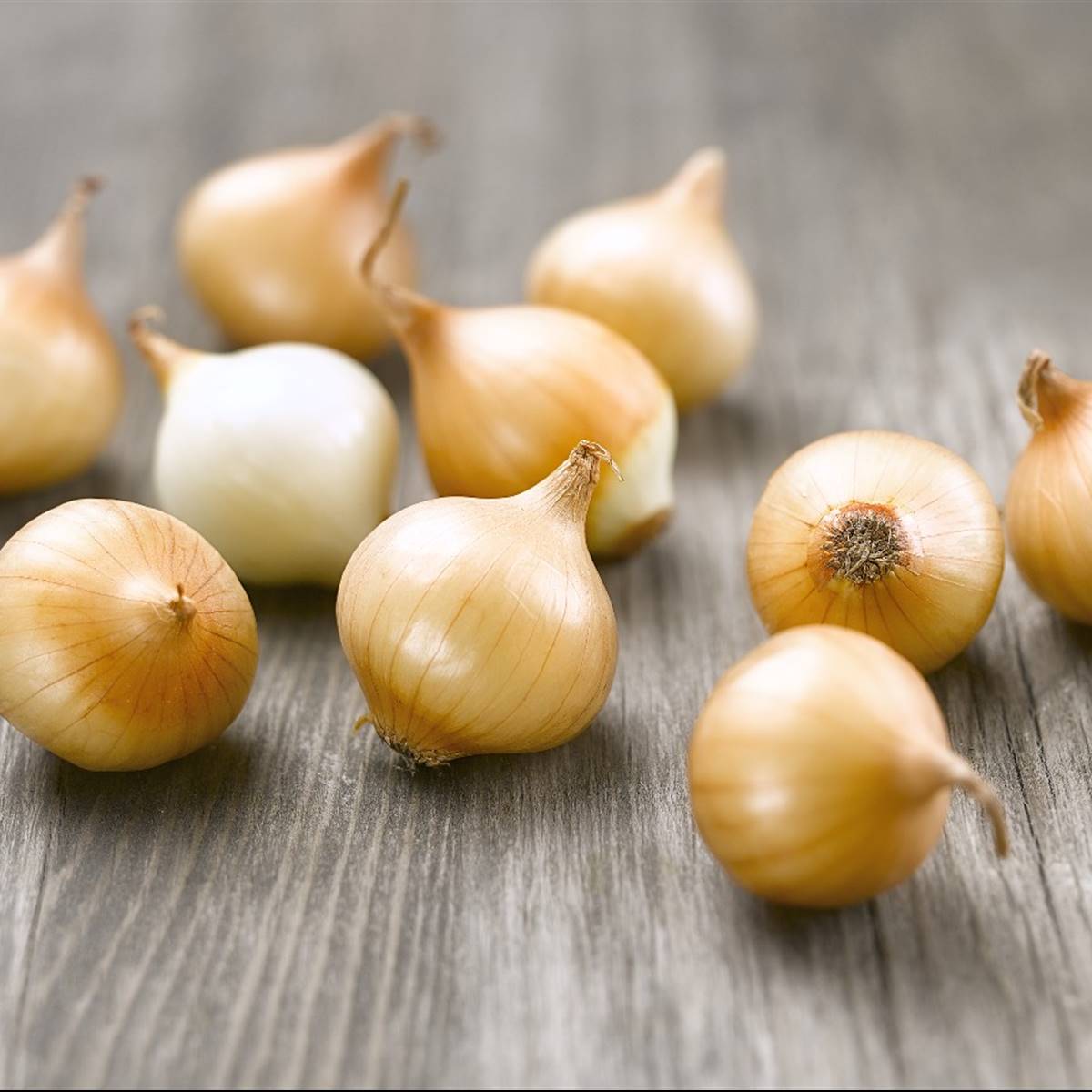
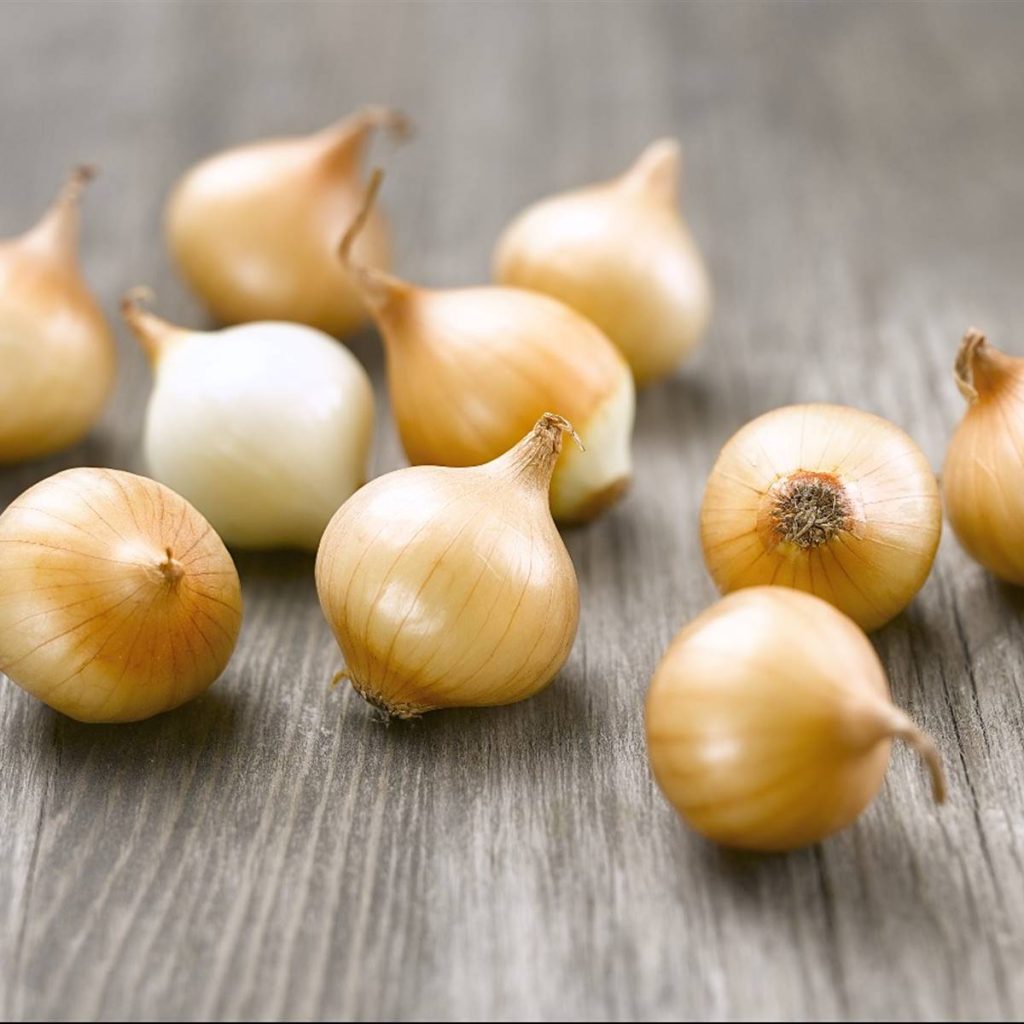
They are also known as pearls or cocktail shakers. They are tiny onions that are usually used roasted or glazed, accompanying stews. They are valued for their sweet and delicate flavor, and are often served as a garnish in numerous dishes. They are also prepared pickled or pickled, so they are very crispy and served as starters or in appetizers and salads.
Along with capers, olives and gherkins are part of the traditional banderillas. In Italy, they are preserved in balsamic vinegar and are a classic garnish for some cocktails.
FIGUERES ONIONS
This native Catalan variety is pink in color and medium in size. It is easy to differentiate by its flat, often irregular shape, or even with two bulbs. It stands out for its sweet flavor, low acidity, and its crunchy texture.
It can be eaten raw, stir-fried or roasted, which accentuates its sweetness. Its aromatic flavor is enhanced if prepared by cutting it without a knife, simply crushing it with a punch and separating its segments with your hands. It is preferable to buy it from a recent harvest because it does not accept a long shelf life.
ONIONS FROM THE EBRO FOUNTAINS
This Aragonese onion with Protected Designation of Origin (P.D.O.) is produced in an area very poor in sulphur. As it has few sulphur elements, it is more digestible and its flavour, mild and sweet, is only slightly spicy.
It is round, large, white and very juicy. It is usually eaten while the bulb is still forming, even with the green stem. It’s very fleshy inner layers are tender, crunchy and succulent. When dried, it has a very fine golden skin.
Cut into rings and crescents, it is usually integrated into salads, although it is also prepared battered.
YELLOW ONION
It is also called “Spanish” because it is the most common in the Peninsula. It has thick, coppery-brown skin and ivory flesh. It is large, spherical and with very tight layers. Its intense flavour is ideal for preparing stir-fries, either grated or chopped into small pieces.
It withstands long cooking times in soups and stews, to which it provides a sweet and pungent flavor. It keeps for many months and is available all year round. Its pungent flavor comes from its classic sulfur elements that have antibiotic properties.
SHALLOT
The shallot is native to the city of Ashkelon in Israel. A mythical ingredient of haute cuisine, it is present in numerous sauces, vinegars and stews, especially in French cuisine, which sautées it over a very low heat in a little butter.
It is very aromatic and is delicious candied or roasted. It offers a mild, sweet and delicate flavor, between onion and garlic. Also, its elongated shape and in small clusters resembles both. The skin is tanned and the flesh white or purplish.
SPRING ONION
The spring onion forms elongated bulbs and is used with part of the green stem, when it has not yet finished its development. Most are white, although there are also yellow and purple ones. Small in size, it is usually sold in bunches throughout the spring.
Thanks to its fresh, crunchy, mild and not very spicy taste, it is often used in salads, or as a garnish. In Asia, however, it is preferred to cook thinly sliced and with the green stem, as in miso soup, or in picadillos and quick stir-fries. It should be stored in the fridge.
RED ONION
It stands out for its purple hue, which is responsible for antioxidant flavonoids called anthocyanins. Various kinds can be found: in some, the reddish or purplish hues are found only in the outer layers, while in others they are maintained up to the heart.
It’s a bit spicy, but it can be eaten raw. The color of its rings decorates salads, side dishes, and sandwiches. It is also served sautéed in stews. The bulb is medium-sized, round, and somewhat pointed at the top. It keeps well throughout the winter.