Chestnuts are healthy and nutritious and perfect for fall. Although they are delicious roasted, they lend themselves to all kinds of culinary creations.
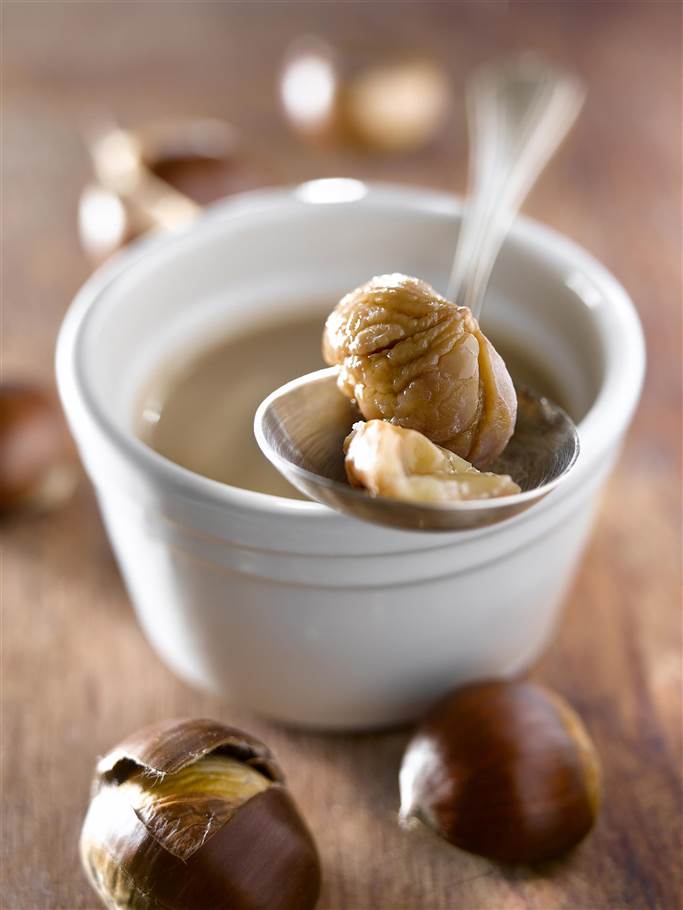
The autumn forest offers spectacular scenery, fresh air and the best food to eat in autumn. Chestnuts are one of the key foods of this season, they are pure energy!
Among the most common nuts, chestnuts are among the least caloric with only 196 kilocalories per 100 grams. Each serving of chestnuts would be around 30 grams without counting the peel. They are high in carbohydrates of approximately 40% and 2% in fat, much less than other nuts.
Chestnuts also contain a lot of vitamin C and E and minerals such as potassium, magnesium, iron, and phosphorus.
HOW TO COOK CHESTNUTS
We’ve all had the classic roasted chestnut cone strolling down the street in autumn or gazed at the jars of marron glacé in grandma’s pantry. But chestnuts are not limited to these two formats, you have many ways to cook them and incorporate them into your diet. We tell you the 7 that we like the most, do you know any more?
SCALDED
Chestnuts are appreciated for their texture and softness, especially the Galician ones with designation of origin and those from Bierzo. They can be eaten raw as long as they are fresh, although they are somewhat indigestible due to their starch content.
They have to be peeled and the best thing to do is to blanch or fry them for a few minutes. If left to soak for eight hours, they are more digestible.
Blanched chestnuts are generally used sliced in salads and to give texture to crumbles or to make vinaigrettes, vegetable pâtés and pestos.
CHESTNUT JAM
Chestnut jam is delicious on toast, filled with cakes or crepes, and as an accompaniment to savory dishes. You can follow this recipe:
CHESTNUT JAM RECIPE
Ingredients:
- chestnuts
- sugar
- water
- vanilla bean
Preparation:
- Make a horizontal cut in the chestnuts as we do to roast them and boil them for 10 minutes to be able to peel them better.
- Once peeled and the peel and skin removed, weigh them to make a light syrup with 750 grams of sugar and 200 ml of water per kilo of chestnuts.
- To make the syrup, dissolve the sugar in the water over medium heat for about 15 minutes. It is very important that you do not stop stirring so that it does not caramelize. The syrup is ready when it has thickened.
- Add the chestnut puree and an open vanilla bean to the syrup and cook for 20 minutes. If the mixture gets too thick, you can add more apricot syrup or jam.
ROASTED OR TOASTED CHESTNUTS
You can eat it alone or with pasta, rice or stews, as a garnish or part of a sauce.
- Before roasting or roasting it, make a horizontal cut to cook it better and prevent it from bursting.
- Bake them at 180ºC or roast them in a frying pan – with or without holes – and covered.
- Then wrap them in a cloth and gently squeeze them to remove the peel and the yellow skin, which is rough and indigestible.
A tip: if you moisten it with droplets of water before cooking it, it won’t dry out.
CHESTNUTS COOKED IN WATER
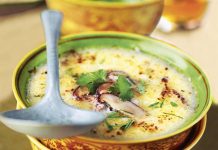
Before using them, they must be cooked well so that they lose astringency and are more digestible. They are usually served in purees, creams and sauces, but also with other nuts, mixed with their cooking juices or as a tasty filling.
They go with glazed vegetables, pasta, rice pilaf, spinach, sweet potatoes, mushrooms and potatoes.
CHESTNUT FLOUR GLUTEN-FREE!
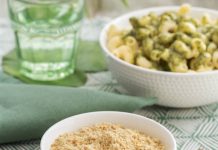
It is obtained by grinding dehydrated and peeled chestnuts. It has a slightly sweet and smoky flavour and is used to make biscuits, biscuits, mixed with other cereals (quinoa, rice…), to make bread, bind sauces, thicken or batter.
It is a flour that has to be consumed quickly because it loses its aroma. It is gluten-free, making it suitable for celiacs.
PILONGAS CHESTNUTS
They are a type of chestnuts that are traditionally peeled and smoke-dried and kept year-round. To use them, you must let them soak for a long time beforehand. They can be ground and chopped, but whole they are ideal for cooking in stews, stews and long-cooking winter dishes.
Boiled with water or some vegetable milk, it can also be used to make sweet or savoury creams. When it dries, it loses water and its taste is sweeter, which is why it is often used in baking.
BROWN GLACE
It is a delicacy of French pastry. To make it, the best chestnuts are chosen (with a single fruit inside the thorny shell), peeled and candied with a syrup scented with spices until they are sweet, tender and almost transparent.
To make marron glacé at home, chestnuts must be boiled, peeled, boiled again, cooked in syrup, left to rest, cooked again and left to dry.