A menu full of vitamins, ideal for taking care of ourselves in the colder months. We play with seasonal ingredients that give a special flavor, such as tangerine and leek.
In winter it’s hot cream season, how to prepare an original menu? Taking advantage of other seasonal foods to include aromas different from the usual ingredients. We bring you a proposal with starter, main course and dessert whose textures and flavors will surprise you.
1. THE POWER OF CITRUS BEYOND DESSERTS
The tangerine, like the orange, is much more than a dessert. It is ideal in salads, where its subtle bitter touch and sweetness-soaked acidity stand out.
As a dressing for vinaigrettes (combined with olive oil, salt and pepper) or to flavour a mayonnaise, it is recommended that it be as acidic as possible.
It should not be combined with foods with a very neutral palate, such as pasta, as this would mix the flavors, but the segments can be lightly boiled in a sauce, or even sautéed without losing their shape.
Aromatic plants suit him well, especially chives, oregano, thyme, parsley and mint. Among the spices, it favors those with a warm aroma, such as cinnamon, vanilla, cardamom or ginger.
The tangerine peel can be dried in the same way as the orange peel, at a mild temperature in the oven, after removing as much of the white skin as possible. Once dried, it can be crushed in a grinder and used to flavour table salt.
It is also ideal for scenting stews or stews, as we do in this pumpkin cream with tangerine, where we also take advantage of the juice for a first course full of vitamins.
2. FROM SEASONING TO PROTAGONIST: GET THE MOST OUT OF THE LEEK
Leeks play a very important role in Mediterranean cuisine: when they are tender and cooked with care, they reward with a unique texture that melts easily in the mouth and gives off a delicate aroma that quickly stimulates the appetite.
Its flavour is intensely aromatic, so its presence in some dishes is justified only as a condiment, especially in prolonged stews of legumes and vegetables. In addition, it helps to harmonize the flavours with each other and adapts very well to any type of cooking.
The white part of the leek, more tender and appreciated, becomes shorter as winter progresses while the green part grows. This can be a main ingredient in authentic luxury dishes, such as this veggie burger with quinoa.
But the green leaves are not thrown away: both the part of the bulb that greens and the outer and green leaves have a lot of flavors and it would be a shame to waste them. Finely julienned and sautéed in a frying pan, they can be used to flavor broths and stews, enrich pizzas and focaccias, or season a pasta dish shortly before serving.
3. A NUTRIENT-PACKED DESSERT
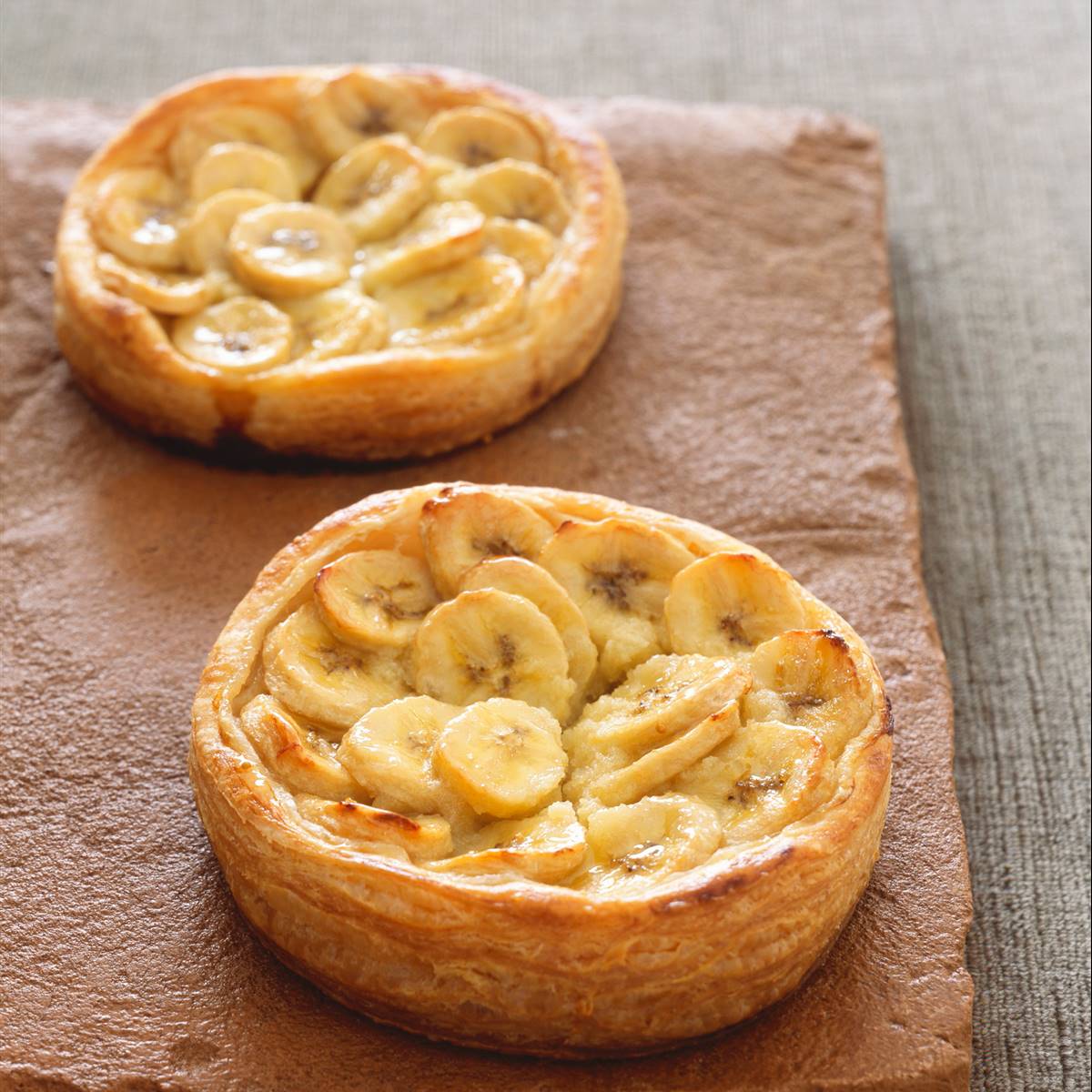
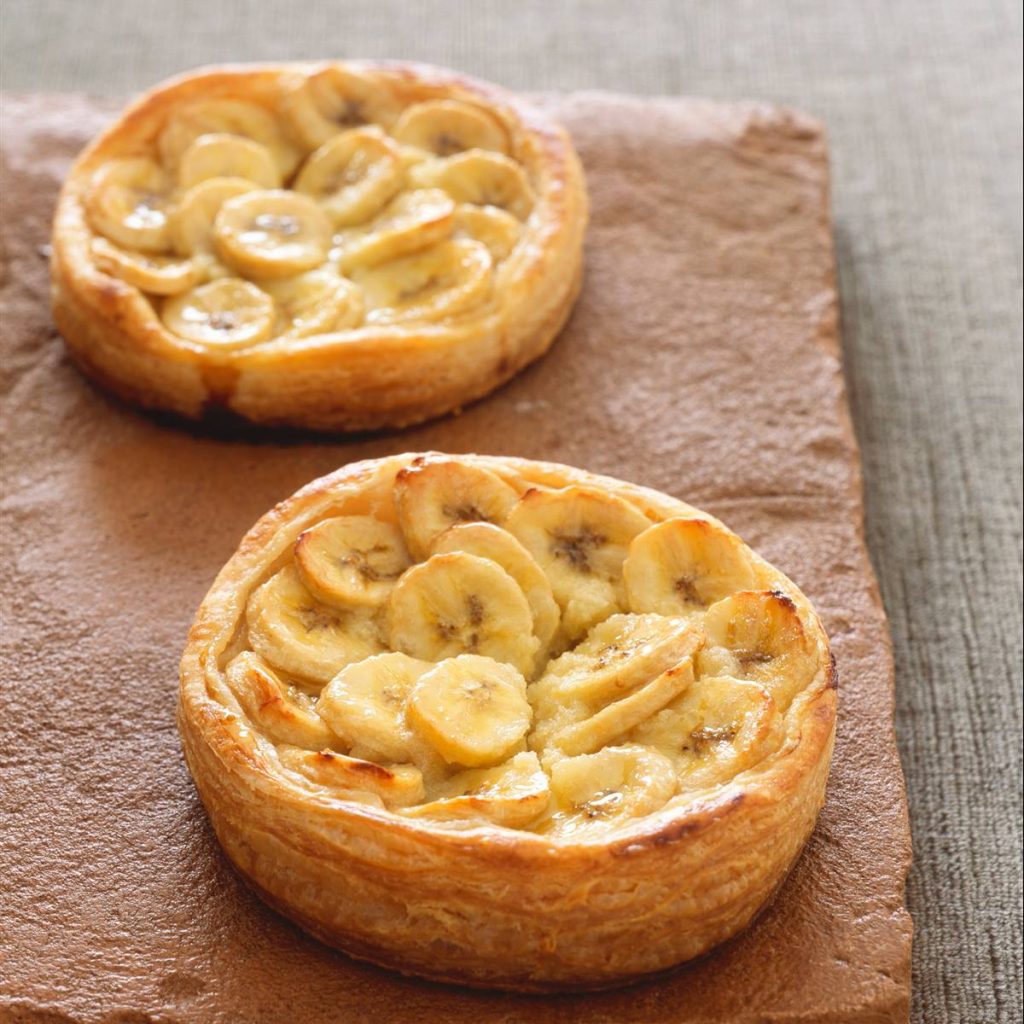
We close this menu with some creamy banana tartlets. The appeal of this fruit can help give desserts a pretty presence on the table.
Any sweet recipe that is prepared with banana is guaranteed success, as its aroma has the virtue of stimulating the appetite and harmonizes the flavors very well, especially if it is combined with coconut, pineapple, passion fruit or mango.
It also goes well with yogurt, tofu or kefir in both sweet and savoury dishes; and with chocolate or, if you prefer, with carob, and it is a great ally of nuts, especially walnuts.
PUMPKIN CREAM WITH TANGERINES
Ingredients (serves 4)
- 600 g pumpkin, peeled and diced
- 1 spring onion, peeled and chopped
- 3 tangerines
- 40g raw almonds, peeled
- 100 g vegan cottage cheese
- 40 g pumpkin seeds
- 2 tbsp olive oil
- parsley, pepper and salt
Preparation (15’+25′ cooking)
- In a tall casserole dish, gently fry the onion in the oil. After 10 minutes, add the pumpkin, stir carefully and add the almonds.
- Peel a tangerine with a peeler and add a piece of skin to the pumpkin. Squeeze the tangerines. Cover the pumpkin with half a glass of water, boil until softened and pour in the juice. Cook for 5 more minutes and season with salt and pepper.
- The pumpkin seeds are lightly roasted and set aside. Vegan cottage cheese is whipped to make it creamier.
- Mash the soup and serve with the cottage cheese, seeds and parsley cut into strips.
Variants
- If it is going to be served cold, add the juice at the end, without heating it.
- You can use more vegetables, such as peeled carrots or zucchini, and cilantro instead of parsley.
- Another option is to cook red lentils with the pumpkin.
QUINOA AND LEEK BURGERS
Ingredients (serves 4)
- 2 medium leeks (the white part)
- 150 g quinoa
- 500 ml water or stock
- a few arugulas leaves
- 250 ml plant-based milk
- 30 g margarine
- 70 g wheat flour
- virgin olive oil
- freshly grated nutmeg and salt
Preparation (35’+25′ cooking)
- The leeks are washed and cut into julienne strips. They are sautéed with oil in a heavy-bottomed casserole dish and, shortly before browning, the quinoa is added.
- With a wooden spoon, turn the quinoa until lightly toasted and pour in the water. Salt and cook, uncovered, for about 15 minutes. Let it drain in a colander.
- Melt the margarine in a casserole dish along with a little oil so that it does not burn, add the flour and mix well. Add the milk, nutmeg and salt, and cook, stirring constantly, until it thickens and detaches from the pan.
- Let this paste cool and mix with the quinoa. Burgers are formed and fried in oil until golden brown. They are served with arugula.
BANANA TARTLETS
Ingredients (serves 4)
- 90 g vegan cottage cheese
- 100 mg dense plant-based yogurt
- 2 ripe bananas
- 50 g honey
- The juice of an orange
For the dough:
- 150 g semi-wholemeal flour
- 10 g brown sugar
- 1 pinch of salt
- 60 g margarine
- 2 tablespoons very cold water
- oil
- chickpeas (for cooking the dough)
Preparation (50′ + 20′ cooking + 30′ resting)
- Heat the oven to 200º C. Meanwhile, mix the flour, sugar and salt in a bowl. Cut the margarine and incorporate. When the consistency is crumbly, add the water little by little and mix until you get a bun. Refrigerate for 30 minutes, wrapped in a clean, damp cloth.
- Lining four small molds painted in oil with the very fine paste. Prick the base with a fork and fill it with chickpeas. Cook the tartlets for 15 minutes and, once golden, remove them, remove the chickpeas and let them cool.
- Whisk the yoghurt with the cottage cheese, divide it into the tartlets and cover it with banana.
- Cook the honey with the juice over medium heat for 5 minutes, pour hot over the banana and let cool before serving. ration