The exotic hibiscus plant, whose flower is the emblem of Hawaii, can be used in cooking. Learn how you can use it to prepare delicious and healthy drinks.
- What types of hibiscuses are edible?
- Use hibiscus in the kitchen
- Homemade hibiscus syrup recipe
- Refreshing and healthy hibiscus infusion
Hibiscus flowers are best known as a component of infusion blends that is used to give them a fruity aroma and an intense red color, but they also have a very aromatic taste on their own and numerous healing properties, so it is worth incorporating the flowers into the menu more often.
WHAT TYPES OF HIBISCUSES ARE EDIBLE?
The flowers of all varieties of hibiscus are edible, both raw and cooked. However, the flowers of most of the ornamental shrubs available have a fairly mild taste and have no healing properties. Therefore, it is worth paying attention to the variety when buying plants.
The most famous type of hibiscus used for consumption is the Jamica flower (Hibiscus sabdariffa), which is used in Egypt to make an infusion called karkadé.
Another important species of hibiscus is the Chinese evergreen pink hibiscus (Hibiscus rosa-sinensis).
Both species are not winterproof and must remain indoors during the cold months.
If you don’t have a hibiscus in your garden or balcony you can buy dried whole hibiscus flowers and crushed hibiscus flowers at herbalists or online stores.
USE HIBISCUS IN THE KITCHEN
All parts of the hibiscus plant are edible and can be used in many ways in cooking. The best known is the use of calyces, which acquire a bright red color when the seeds are ripe. The calyces are aromatic and have a slightly bitter note.
The healing active ingredients of hibiscus are found in all parts of the plant. Among other things:
- It helps fight spring fatigue thanks to its metabolism-stimulating and mood-enhancing effect.
- Its expectorant properties make hibiscus an ideal companion for colds.
- It is advisable to avoid hibiscus during pregnancy, as it reduces the level of estrogen and stimulates blood flow to the uterus.
Hibiscus leaves and flowers are a tasty addition to salads and vegetable dishes. The leaves can also be prepared as a garnish as if they were spinach. The completely open flowers give the desserts and hearty dishes a fruity note.
Bright red chalices are also very decorative and can be used as an ornament in drinks, for example. For this, chalices in syrup are suitable. The flowers can also be used to make a refreshing and healthy summer drink.
HOMEMADE HIBISCUS SYRUP RECIPE
Both whole and crushed flowers can be used to make an aromatic syrup.
Ingredients (for 500 ml of syrup):
- 500 ml water
- 300 g sugar
- 20 g hibiscus flowers (fresh or dried)
- 2 allspice kernels
- 1 slice lemon
Elaboration:
- Lightly crush the peppercorns and cook them together with water, sugar and lemon in a saucepan for five minutes.
- Turn off the heat, add the hibiscus flowers and let them sit covered for several hours or a whole night.
- Remove the lid and bring the infusion to a boil again and simmer for 10 to 15 minutes. If you prefer a more intense syrup, you can simmer a little longer.
- Pour the finished syrup with the hot flowers into sterilized jars or bottles with a wide opening and close immediately. When using crushed flowers, strain them first.
When serving, put a flower and some syrup in a glass and fill it with water. Depending on the desired intensity, one or two tablespoons of syrup are enough for 250 ml of water. Stored in the refrigerator, the syrup can be kept for several weeks.
REFRESHING AND HEALTHY HIBISCUS INFUSION
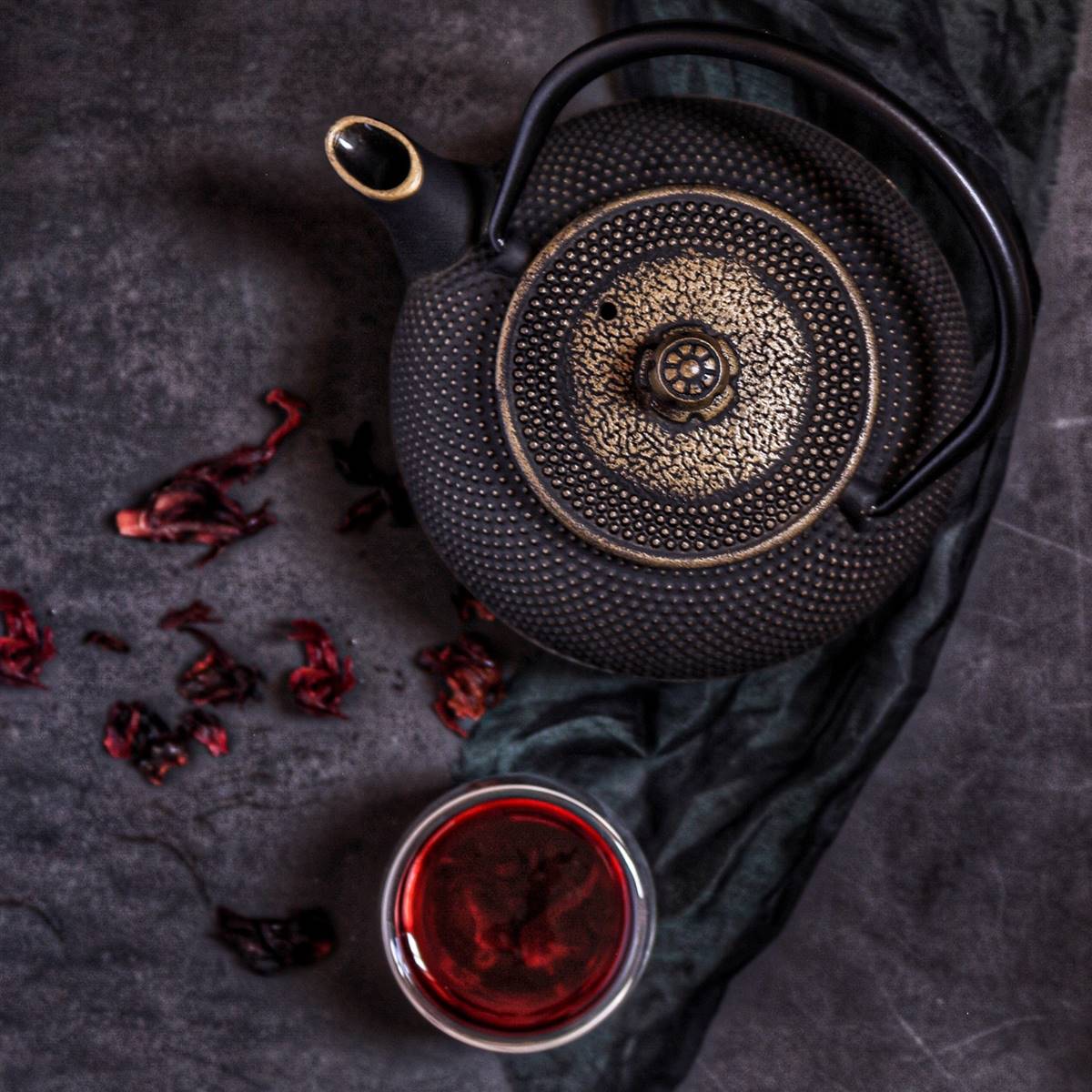
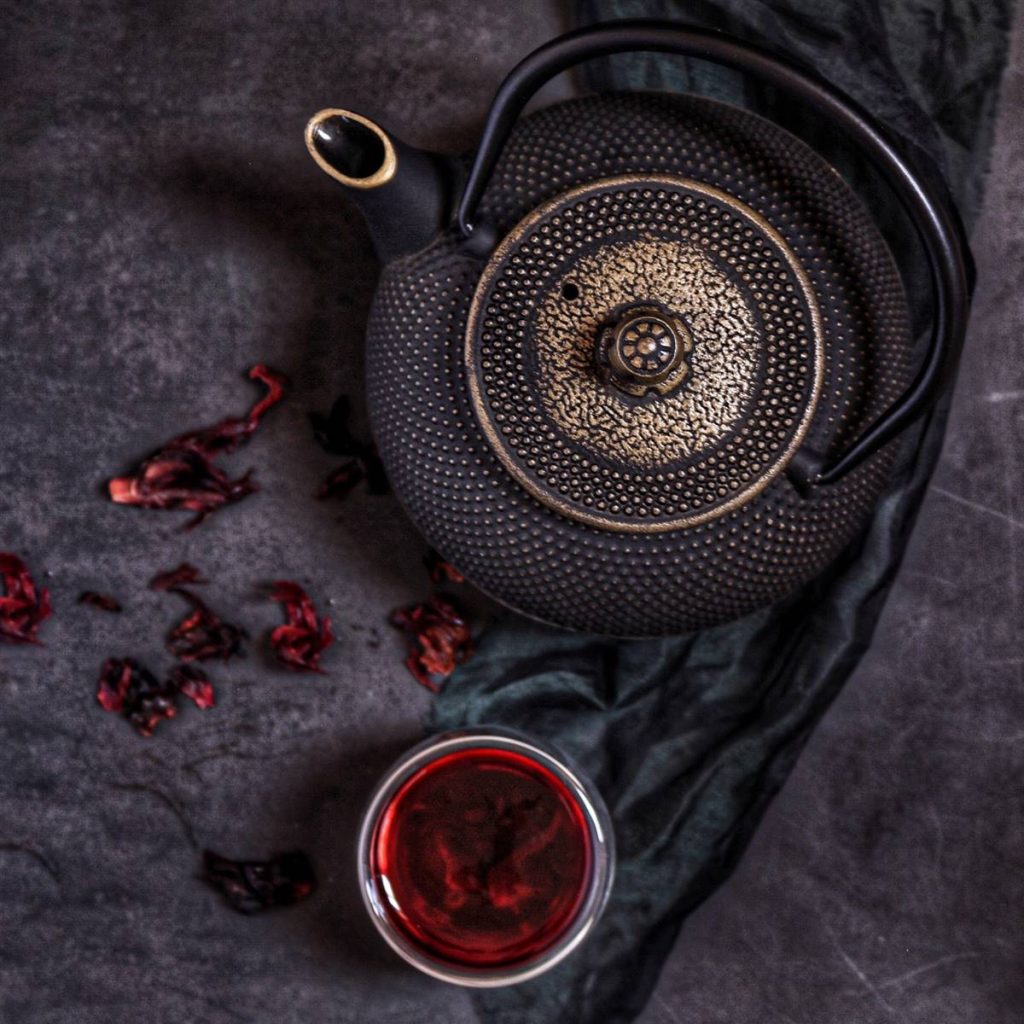
An infusion made from the red chalice of hibiscus has a pleasant bitter taste reminiscent of cherry or currant. The infusion is rich in flavonoids, pectins and fruit acids and has antihypertensive and immune-stimulating effects, among other things.
Ingredients (for 1 cup of 250 ml):
- 250ml water
- 1 tablespoon dried flowers
Elaboration:
- Pour the 250 ml of boiling water over a tablespoon of dried flowers and let it sit for eight minutes.
- The preparation time should not exceed ten minutes, otherwise the preparation will be bitter.
- Strain the infusion and sweeten it as you like. You can enjoy it both hot and cold. Drink up to four cups a day to benefit from its salutary effects.