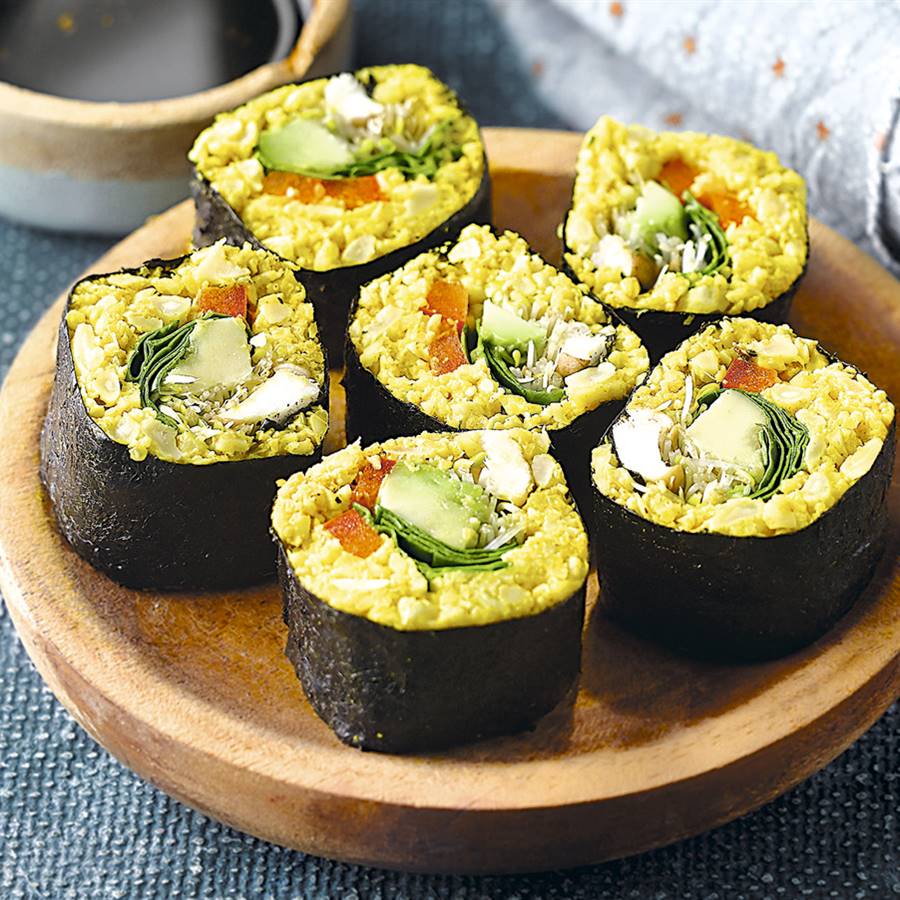
These low carb snacks, suitable for ketogenic diet, will satisfy you by providing a good dose of quality fats and proteins.
When following a low-carbohydrate diet such as the ketogenic diet, when organizing the menus, it is convenient to spend a few minutes thinking about what we will snack between meals if we need it. If it’s time for the snack and you don’t have anything prepared, it’s easy to find it difficult to find suitable options that nourish you, satiate you and don’t decompensate for the effort made during the rest of the day.
In the ketogenic diet, the replacement of foods rich in carbohydrates (cereals, legumes and fruits) by foods rich in fat, produces effects similar to fasting in the body. The body manufactures ketones, which exert an anti-inflammatory effect, so this type of diet, properly supervised, is used for therapeutic purposes against cancer, lipedema and other health disorders.
Most of the energy in the ketogenic diet is obtained from fats (more than 60%). Protein intake is moderate (20%); However, carbohydrates are limited to about 20-50 grams daily. A sandwich, a fruit rich in sugars or sticks from the vending machine at work are not good options to take as a snack, because they are snacks that provide many carbohydrates, few proteins and hardly any quality fats.
SNACK IDEAS FOR KETOGENIC DIET
When it comes to snacking between meals on the ketogenic diet, we always have the option of cutting an avocado or putting a good handful of nuts in our mouths. The important thing to make our keto snacks is to choose foods that provide quality fats, as these will be our main source of energy throughout the day.
Among the best healthy fats for a ketogenic diet are those provided by avocado and nuts, but also other seeds and their oils, which we can use in dressings or for cooking, such as olive and coconut. Other options are peanut butter or tahini that is prepared with sesame seeds, very practical to take as a snack or snack.
If we prepare them in different ways and combine them with green vegetables, protein foods such as tofu, or fruits allowed in small quantities, such as berries, we can prepare a wide variety of keto snacks rich in proteins and healthy fats that will satisfy and nourish us. Among the vegetables we can give a lot of play zucchini, celery, peppers, cabbages, asparagus and in general green leaves.
Here are some ideas. You can use them as a base to make your own variations:
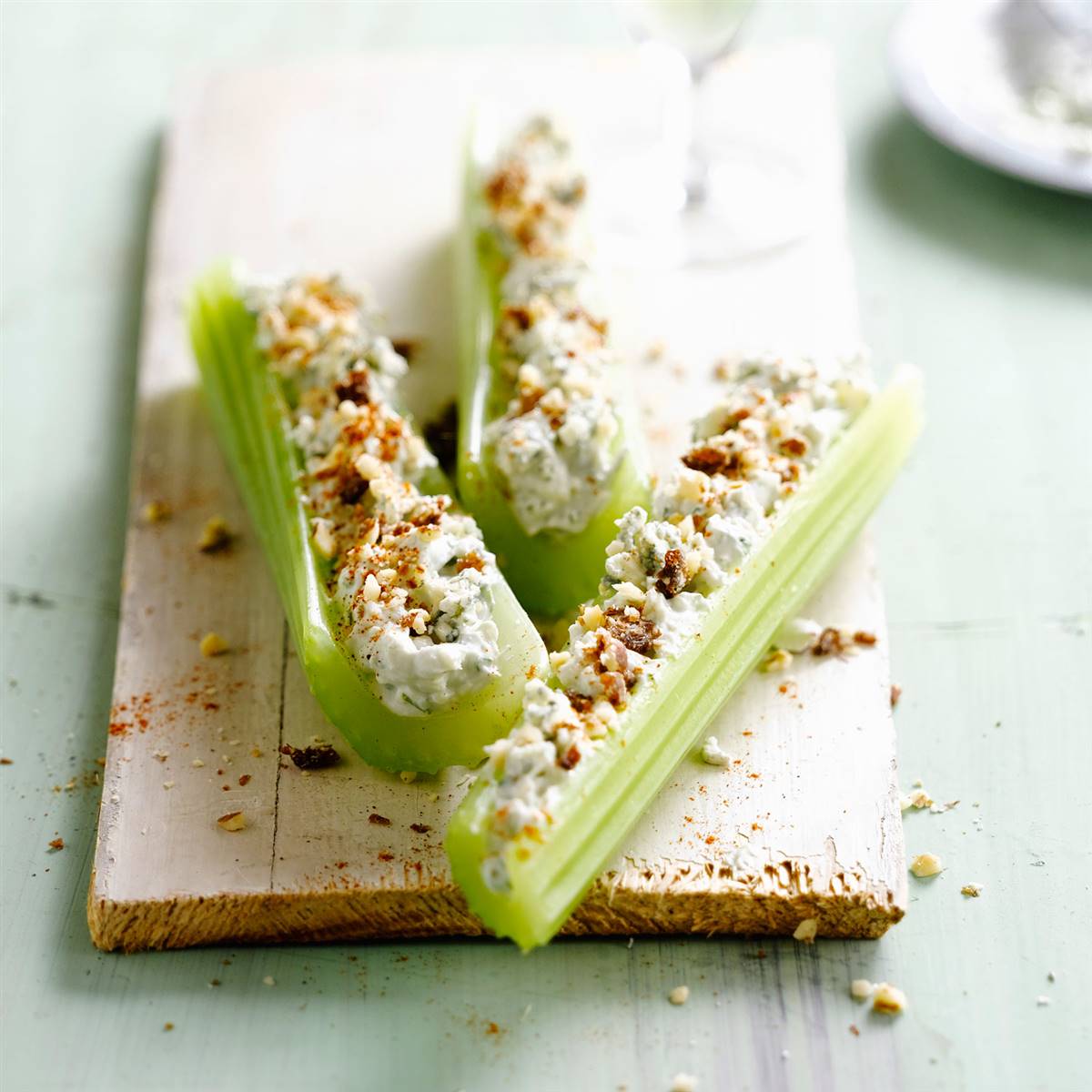
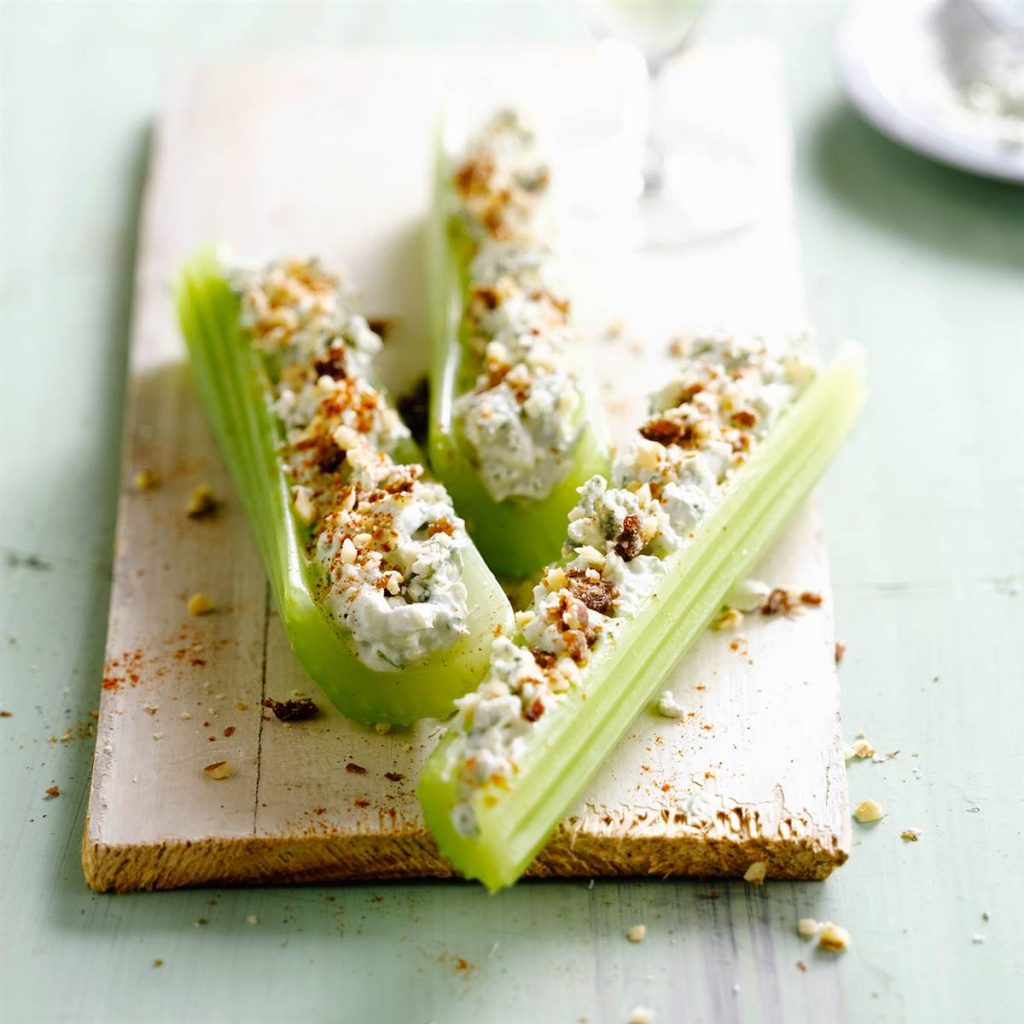
CELERY STUFFED WITH VEGETABLE CHEESE
Celery is a very light vegetable, with few carbohydrates, and ideal for use as a crudité with a vegetable pate rich in proteins. But you can also prepare with it original vegetable “sticks”. Simply wash the stalks well, clean them to remove the leaves and the thickest threads from the outside, and take advantage of its wafer shape to fill them with a vegetable cream cheese
You’ll find quality plant-based cream cheeses on the market, but an easy plant-based cheese to make is labneh. Chef Virginia Garcia recommends making it with natural soy yogurt. Four yogurts are emptied into a muslin or thin cloth, 1/8 teaspoon of salt is added, mixed, the fabric is closed and left hanging to drain for at least 12 hours. You can also make it with coconut yogurt.
Choose organically grown celery. Celery is one of the vegetables in which more pesticides have been detected (70% of the samples in the European Union).
To add an extra touch of texture to the recipe, you can sprinkle the sticks with sesame seeds or chopped walnuts.
BABA GANOUSH WITH NUTS
This recipe from the Middle East is a regular ketogenic diet. In a taper you can perfectly take a few tablespoons to snack when you are hungry. You can find crackers made only of seeds to accompany.
The recipe is very simple: Roast some eggplants in the oven and, once done, crush the pulp along with a good splash of olive oil, a tablespoon of tahini or sesame cream, a little lemon juice, salt, pepper and cumin. Spread over some chopped nuts to complete, such as walnuts or hazelnuts.
COCONUT YOGURT WITH RASPBERRIES AND PISTACHIOS
Get a good natural and organic coconut yogurt, without added sugar, which will give you the healthy fats of coconut and probiotic ferments. And add nuts and berries: pistachios and raspberries is a delicious combination.
If you dare to make coconut yogurt yourself, here is a recipe from Consol Rodríguez.
COCOA AND PEANUT BUTTER SNACKS
You can make them in the form of a cupcake or a bar, it doesn’t matter. The difference with the traditional recipe of this American sweet is that you will not use sugar or syrup. Coconut milk and oil and peanut butter give you a good dose of healthy fats with some protein.
- Melt unsweetened dark chocolate and add some coconut milk. A thick consistency should remain. You can also add a little coconut oil instead of milk: you will have a darker and equally creamy chocolate.
- Drizzle the cupcake or bar molds with coconut oil and pour a first layer of chocolate. Let solidify slightly in the fridge and then put a teaspoon of peanut butter on top (without pieces and with a touch of salt if it does not have it).
- Pour a little more chocolate over it.
Coconut oil melts at room temperature, so it is best to keep these snacks in the fridge until you consume them. You can also store them in the freezer if you are going to take them outside; This way they will take longer to lose consistency.
If you prefer the sweet version, you can add some natural sweetener to the chocolate mixture, such as erythritol or xylitol.
CRUNCHY BROCCOLI WITH GUM
A peculiarity of broccoli is that, in addition to anticancer compounds such as sulforaphane, it provides a small but remarkable amount of protein: 2.8 g per 100 g. You can make it very lightly baked, so that it is crispy, and sprinkle it with gomasio, a dressing based on ground sesame and salt. It suits you wonderfully and enriches you with sesame proteins and fats.
Another option would be to do it with cauliflower, as popcorn, also baked, with a chopped almond.
CUCUMBER WITH CASHEW CREAM
Cucumber offers you a very good base to make you fast and light mounts. An anarcardos cream will provide you with the healthy fats and proteins of this delicious nut.
You can prepare a cashew cream by letting them soak with water for a few hours, draining them and then crushing them with more water, lemon juice, salt and herbs. It is a recipe by Javier Medvedovsky, who in his article on how to take advantage of cashew, also tells you how to prepare a cashew cheese with rejuvelac that surely is also delicious with cucumber.
AVOCADO, LEAFY GREENS AND HEMP SEED SMOOTHIES
Smoothies and green leafy smoothies can give you play at snack time. Avoid simply adding a lot of fruit, except avocado, which with its fats will help you give creaminess, and enrich them with seeds, whether chia, flax or hemp.
An example is this smoothie, which has half an avocado, a couple of tablespoons of hemp seeds and 1 tablespoon of coconut oil. Mix them with half a cucumber, a handful of spinach, a couple of dandelion leaves, some parsley, the juice of a lemon, a pinch of turmeric and a glass of water. In addition to healthy fats and protein, it will provide you with a good dose of fiber.
TOASTED EDAMAME WITH SESAME SEEDS
Although legumes are often excluded or greatly limited on a ketogenic diet, edamame beans are especially high in fiber and provide a small proportion of net carbohydrates (5 g/100 g). Meals in moderation are usually accepted in low-carbohydrate diets.
A handful of baked edamames, sprinkled with sesame, can be a tasty and different snack. Preheat the oven to 220-230 ºC, separate the edamame grains from the pod and put them in a bowl with a little olive or sesame oil, so that they are lightly bathed in it. Season with a little salt and bake for about 15 minutes until lightly browned.
Once ready, mix with sesame (you can combine black and white sesame seeds if you wish).