Bacteria often get a bad rap, but probiotics only bring good news for gut flora. You can easily ferment vegetables at home to add all their benefits to your dishes.
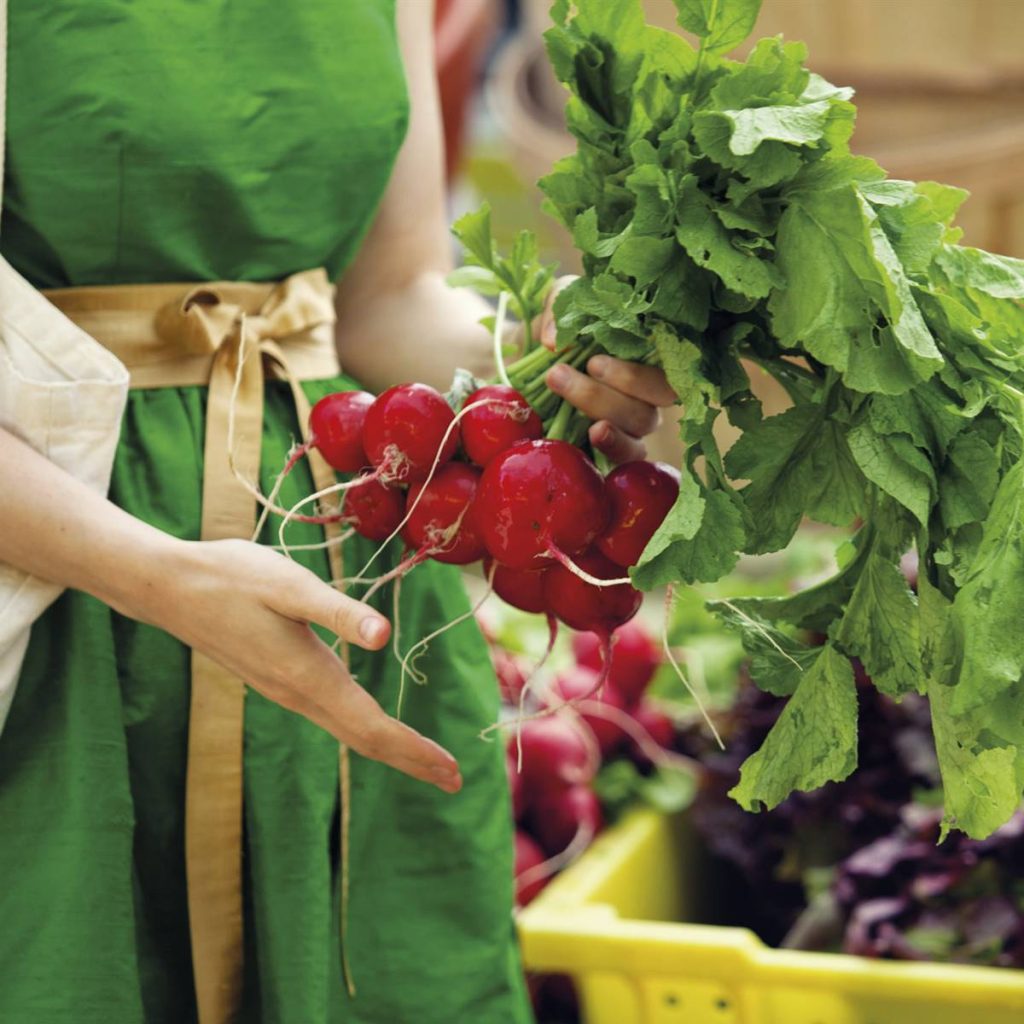
We tend to think that fermentation is something complex and is little practiced, because it requires time. However, around the world we find many examples of fermented foods in everyday use: cheese, yogurt, olives, kimchi, sauerkraut, miso… It is true that fermenting vegetables at home can take time, although it is not especially complicated.
In the recipes of this article, we tell you how to do it in each case, but if you want to go to the practical you always have the option of buying the fermented ones already made. Choose them for quality, to make sure they retain their bacteria.
In recent years the fermentation of vegetables had been degraded by pasteurization, which eliminates bacteria. But bacteria are not harmful; In fact, most of them are beneficial and indispensable for life.
Fermented foods contain probiotic bacteria that can settle in our intestines and are very beneficial to health. These microorganisms tone the microbiota or intestinal flora. It is proven that probiotics improve the absorption of nutrients and the condition of the intestinal walls, collaborate with the immune system and affect the proper functioning of the nervous system.
DISHES WITH BENEFICIAL DIGESTIVE BACTERIA
What is fermentation? To talk about probiotics, we first have to understand fermentation, a natural process that occurs when bacteria act, in this case, on food. Although we talk about bacteria, it is not a strange process: a ferment is simply a living organism that must be taken care of. Like our body, also composed of bacteria that we must protect. We have two ways to ferment:
• The natural or wild is the one that occurs in an environment suitable for the bacteria that carry the food itself to grow.
• The intentional or provoked is the one that needs a starter culture, in addition to time, temperature control and attention.
Not all fermented foods are probiotics. For example, the alcohol produced when making wine or beer kills bacteria, absent in the final drink. Nor are they in the bread, for they die when baking it. For a food to be probiotic, the bacteria must remain alive.
Currently, it is not so difficult to find different types of ferments in conventional stores, but we must be careful that they are not pasteurized if what interests us is to obtain all their benefits. Most sauerkrauts, for example, have been pasteurized and no longer provide live bacteria. That is why if we make our own vegetable ferments, we will obtain the best result.
If you are not used to consuming ferments, it is better to do it little by little to avoid feeling bad and include them in their different versions of elaborations or in drinks.
RECIPES WITH HOMEMADE FERMENTED
PICKLED VEGETABLE AND PUMPKIN SALAD
Ingredients for 4 servings:
- 1/2 medium peanut squash
- 4 large artichokes
For pickled vegetables:
- 1 cucumber
- 2 or 3 radishes
- 200 ml mineral water
- 12 g salt
For the vinaigrette:
- 15 g pumpkin seeds
- juice and zest of half an orange
- 20 ml extra virgin olive oil
- 6 ml apple cider vinegar
- Salt to taste
- pepper to taste
Preparation:
- Prepare a brine to be able to pickle the vegetables in it. To do this, dissolve the salt well in the mineral water.
- Laminate all the vegetables very finely, put them in a glass jar with the brine, cover them well, and let them ferment all together for about 4 or 5 days. When you try them and they are to your liking, keep the jar in the fridge.
- Roast the pumpkin with the skin in the oven at 200°C until cooked. Let it cool and dice it. Grate a little of the orange peel on top.
- Peel and clean the artichokes. Cut them into quarters and wrap them in a pan with olive oil until when you prick them all are soft. For confit, the oil should not exceed 100°C).
- To make the vinaigrette, emulsify all the ingredients with the help of a turmix and set it aside.
- When plating, mix in each dish some pumpkin cubes, candied artichokes and a few pickled vegetables. Season with vinaigrette to finish.
MUSHROOM RISOTTO WITH CHICKPEA TEMPEH
Ingredients for risotto:
- 2 onions
- 1 garlic clove
- 10 ml white wine
- 3 grated pear tomatoes
- 300 g celery
- 150 g mushrooms to taste
- 20 ml rice milk
- 320 g carnarolli rice
- Vegetable broth
- extra virgin olive oil, pepper and salt
You will also need chickpea tempeh. You can buy it done, but if you want to do it you tell you how to do it. You will need a fermenter and these ingredients:
- 250 g chickpeas
- 1.5 g tempeh starter (Rhizopus oligosporus))
- mineral water
Preparation:
- If you make the tempeh at home: crush the chickpeas a little so that the Rhizopus is introduced better. Soak them the night before. Drain and wash the chickpeas, cook them with plenty of water for 20 minutes, drain them again and dry them well (if necessary, in the oven or pan). Mix with the Rhizopus stirring well and place in a tray or tupperware covered with film and lightly pierced to breathe. Leave in the fermenter at 30 ° C 2 or 3 days and, once ready, keep in the refrigerator or freeze.
- To make the risotto: in a pan with a little oil, cook the garlic and onion finely chopped. When they begin to brown, deglaze with white wine little by little. When the onion caramelizes, add the tomato. Let the water evaporate and add 100 g of mushrooms and 100 g of celery, all chopped.
- Meanwhile, cook another 150 g of steamed celery. Crush it with rice milk, oil, salt and pepper. Reserve this cream.
- In another pot heat the broth. Add the rice and a splash of oil to the pan with the tomato sauce. Stir over medium heat for 1 minute. Add broth and stir. Cook 15 minutes and, in the last one, add the cream.
- Serve risotto with mushrooms and celeriac sautéed with chickpea tempeh.
SEAWEED TARTARE WITH MISO AND SAUERKRAUT
Ingredients for sauerkraut:
- 400 g kale
- 50 g grated carrot
- 50 g rolled turnip
- 12 g pink salt
For the tartare:
- 100 g nori seaweed
- 50 g seaweed spaghetti sea
- 50 g dulse seaweed
- 20 g zucchini
- 10 g turnip
- 80 g pistachios
- 10 g miso
- 1 tbsp. of oregano
- 1 tbsp. lemon juice
- 1 tbsp. of extra virgin olive oil
For the sauerkraut sauce:
- 200 g sauerkraut
- 1 g xanthan
- 5 ml olive oil
Preparation:
In this recipe we have two probiotics: miso and sauerkraut. Let’s explain only how to do the latter. Miso is more complex and you will easily find it of quality.
- Cut the vegetables and mix them with the salt. Let stand 30 minutes and massage gently with your hands to release your water. Put them in a glass jar, press so that there are no air bubbles and let ferment 7 days by opening the lid the first three to release the gas. Go tasting and, when it is to your liking, refrigerate.
- To make the tartare: soak the pistachios 6 hours. If the algae are in salt, remove them well and chop them fine. Also, vegetables.
- Crush the pistachios with miso, oil and oregano until you get a pâté texture. If necessary, add water. Mix it with the algae.
- For the sauerkraut sauce: blend the sauerkraut. Texture the juice obtained with xanthan and set aside.
- Serve the tartare with the sauerkraut sauce and crackers or toasts.
WATERMELON AND GRAPE KOMBUCHA TATAKI
Ingredients for 4 servings:
- 160 g watermelon
- 20 ml soy sauce
- 150 ml grape kombucha
- 1 g ginger powder
- 20 g white sesame
- 1 mandarin
- The green part of a tender onion to taste
For grape kombucha:
- 500 ml mineral water
- 60 g whole wheat sugar
- 2 g black tea
- 50 g grapes
- 1 mother of kombucha
Preparation:
- To prepare the kombucha: bring the water to a boil, turn off the heat and dissolve the sugar well. Infuse the black tea for 3 minutes, strain it and let it cool completely.
- Put the liquid in a jar or glass container, add the mother of kombucha and cover with a cloth and a rubber. Let ferment at room temperature for 10 days.
- After the fermentation time, strain and introduce the liquid into a glass bottle with hermetic closure along with the grapes. Let stand in the fridge 24h.
- Once the second fermentation is finished, mix in a container 150 ml of the kombucha obtained with soy sauce, ginger and sesame.
- Add the watermelon cut into ingots and let it macerate for at least two hours in the fridge.
- Serve the cold watermelon with a little extra sesame and tangerine zest, and garnish with the green part of the tender onion cut into rings.
- If you feel like it, you can accompany it with a glass of kombucha.
FERMENTED CHERRIS TEMPURA
Ingredients for 4 servings:
- 200 g cherry tomatoes
- 300 ml mineral water
- 18 g salt
For tempura:
- 100 g ice water
- 100 g chickpea flour
- 20 g cornstarch
- 1 g baking soda
- 1 g salt
- 15 ml olive oil
For mayonnaise:
- 120 ml sunflower oil
- 50 ml soy milk
- 1 splash lemon juice
- 20 g basil
- salt and pepper
Preparation:
- A few days before you have to ferment the tomatoes. To do this, mix the mineral water with the 18 g of salt until it is completely diluted. Wash the tomatoes and place them in a glass jar. Add the brine, close and leave in a cool place at room temperature 4 or 5 days. Open the jar every day to release the gas. Tomatoes should always be covered with brine.
- To make the mayonnaise, boil water with a little salt and blanch the basil for 20 seconds. Cool in ice water, drain and dry well.
- Emulsifies oil and soy milk. Add the lemon juice, basil, salt, pepper and finish mixing.
- To prepare the tempura: dissolve all the ingredients in a bowl. The water should be very cold, you can even add ice to improve the result.
- Drain the fermented tomatoes, pass them through the tempura and fry them in hot oil.
- Leave them on a kitchen paper so that it absorbs excess oil and serve them hot with basil mayonnaise.