With food scraps or ugly pieces, we can prepare delicious recipes and reduce what we throw away. These proposals from chefs will convince you.
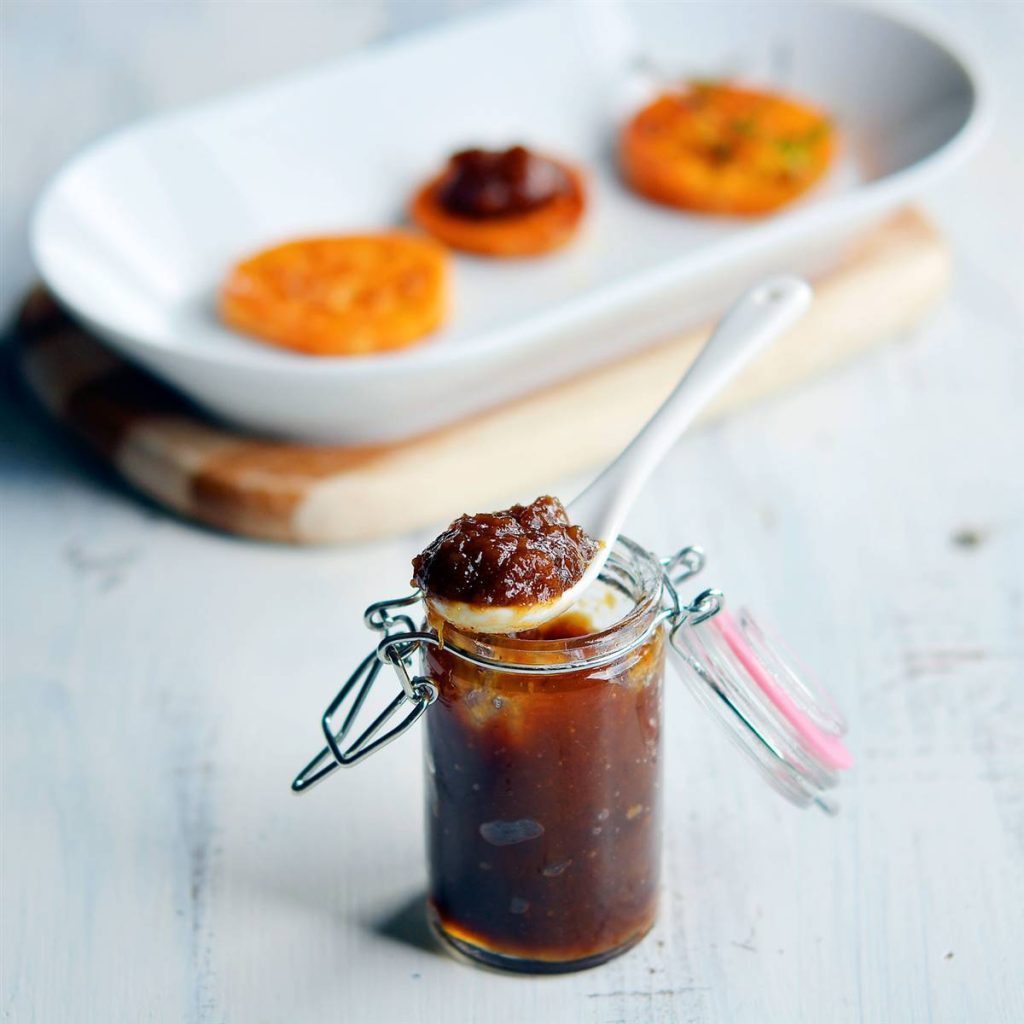
- Vinegar with fruit residues, by Conor Spacey
- Cauliflower log salad, by Joan Roca
- Broccoli stalks au gratin, by Tom Hunt
- Coconut and garlic soup, by Jehangir Meta
- Pesto with carrot stalks, by Fabián León
- Chutney with carrot skins, by Simon Horwitz
- Pear and apple jelly, by Steven Satterfield
- Roasted pumpkin skin, by Anne Marie Bonneau
- Strawberry Vinaigrette, by Alison Mountford
- Quick lettuce cream, by Juan Arbelaez
- More and more chefs are betting on sustainability and giving good ideas or sharing recipes to take advantage of leftovers or use leftover fruits and vegetables that would normally end up in the trash. They sharpen the ingenuity so that not a gram of food is thrown away. It is the answer to the serious problem of food waste, to which we do not attach sufficient importance.
- In 2019 alone, 931 million tons of food were wasted, according to a report by the United Nations Environment Programme and the British waste organization WRAP. According to these figures, 17% of the total food production in the world went to waste. Therefore, reuse recipes are a trend.
- In recent years there have been several initiatives to raise awareness about the importance of taking advantage of everything in the kitchen and professional chefs have joined them, including some great chefs with Michelin stars.
- We have been able to see great chefs such as Joan Roca or Carme Ruscalleda support initiatives such as Chefs against Waste, promoted by Too Good to Go, an app that offers all kinds of tools to fight against food waste.
- We have also seen how some chefs, such as vegetarian Teresa Carles, for example, have launched their own lines of products made with leftovers. In Flax&Kale, restaurant founded by Teresa Carles and brand of fresh juices and kombuchas, they take advantage of the enormous surplus of fiber of their cold-press juices creating nachos and snacks of vegetables and nuts, without animal fats or additives, which bear names like Vegan Vampire Chipotle or Forever Young Tomato.
- In another line have gone chefs like Ada Perellada, who is behind the im-perfect products launched by the Espigoladors platform, made with fruits and vegetables discarded for their appearance before being marketed and that, however, are perfectly usable.
- But the most interesting thing about all this is that these chefs have given us ideas and recipes that we can take advantage of ourselves. They allow us to verify that we can elaborate delicious recipes by turning things that we would have thrown away into our main ingredients.
- We’ve compiled some examples of chefs’ ideas and recipes, so you can get inspired and make the most of your vegetable scraps and other foods you might never have thought you could take advantage of. Not only will you reduce your ecological footprint, but you will save and expand your resources to create original and delicious dishes.
1. HOMEMADE VINEGAR WITH FRUIT RESIDUES, BY CONOR SPACEY
You can use fruit remains, damaged pieces, bananas and brown … With all that, you can make your own vinegar. That is the proposal of chef Conor Spacey, an expert in fermentation and waste reduction.
His recipe includes: a non-metallic container, fruit, sugar, oxygen and time. With them will grow the aerobic bacteria of acetic acid, the Acetobacter. You need at least 200 grams of fruit debris (skin, heart, bruised whole fruit) and sugar or honey.
- Cut the fruit remains into pieces and place them in a container.
- On a scale, set the reading to zero and then cover the remains with cold water. Write down the weight of the water and add one tablespoon of sugar per 250 g of water.
- Stir and cover with a cloth to allow free flow of oxygen. Keep it at room temperature and safe from direct sunlight for a week, but stir every day.
- Strain the fruit and let the liquid continue to ferment (always covered with a cloth) for 2-4 weeks. Finally, store it in a sterilized jar where it will be ready to consume.
2. CAULIFLOWER TRUNKS WITH TANGERINE PEEL SAUCE, BY JOAN ROCA
This recipe by the famous Catalan chef Joan Roca, at the helm with his brothers of Celler de Can Roca, is his contribution to the Chefs against Waste initiative promoted by Too Good to Go.
Joan Roca encourages to let your imagination and creativity fly so that nothing ends up in the trash. This is what he has done in this aromatic recipe, in which the trunks of cauliflower and the skin of the tangerine are used, with very few additions. Need:
- 200 g cauliflower trunks
- 200 g boiled potato
- tangerine skin
- 1 dl olive oil
- 1 teaspoon vinegar
- 1 teaspoon mustard
- 1 teaspoon honey
- salt
To prepare them, cut the cauliflower trunks into very thin slices with the mandolin and make a vinaigrette by mixing the oil, vinegar, mustard, honey and salt with tangerine peel.
The logs are eaten raw, as in a salad. Spread the plate by placing a good spoonful of sauce, says the chef, and build the salad with some boiled potato, the logs you just cut and the vinaigrette. If you want, add fresh herbs to flavor.
3. BROCCOLI STALKS AU GRATIN, BY TOM HUNT
Tom Hunt, climate change activist and author of Sustainable Food. Buying, cooking and eating to preserve the planet, proposes this recipe with other stems that we usually discard: broccoli stalks (yes, what is thrown away when cutting the bouquets).
Julienned together with celery or potato and with pickles, sour vegetable cream, mustard, garlic, lemon zest and dill, baked and then, with grated cheese on top, au gratin (you can use vegetable cheese).
They only need 50 minutes at 190 ºC, and you already have a rich and nutritious meal that helps you keep the garbage empty.
4. COCONUT AND GARLIC SOUP WITH VEGETABLE LEFTOVERS, BY JEHANGIR META
From his restaurant Graffiti Earth in New York City, chef Jehangir Mehta has made sustainability his leamotiv. With the remains of all kinds of vegetables prepares a vegetable background that he uses in original recipes such as this coconut and garlic soup.
Make a vegetable background first. For a week or whatever you need, accumulate all the leftovers of your vegetables. You need about four cups. When you have them, bathe them in 3 tablespoons of olive oil and bake them for 10 minutes at 350 degrees. Then in a pot, simmer them for 20-30 minutes with 1.5 liters of water until the liquid is reduced by half and filter it with a fine strainer. You already have your background.
To make the soup you will need:
- 2 cups of your vegetable background
- 2 tablespoons olive oil
- 6 garlic cloves
- 1/2 cup red onion, julienned
- 1/2 cup diced tomatoes
- 2 red chillies split in half
- 1.5 cups coconut milk
- 1 tablespoon rice vinegar
- 1/2 cup cilantro
In a saucepan, sauté the garlic in olive oil over medium heat until golden brown. Add the onion, tomato and chillies. Sauté a little more and add the broth. Let it boil slightly for 15 minutes, add the coconut milk and lower the heat even more, so that the coconut milk does not boil. After 5 minutes remove from heat and go through the mixer with vinegar and cilantro. Go through a fine or Chinese strainer and you’re done.
5. PESTO WITH CARROT STALKS, BY FABIÁN LEÓN
Carrot leaves can be chopped and used to decorate vegetable creams, or we can add them to smoothies and even chopped, in salads as if it were parsley. But with them we can also make a pesto. This is the proposal that chef Fabián León, the entrepreneur and food hacker known for his past as a finalist of the first edition of MasterChef, also made to contribute to the Chefs against Waste campaign promoted by Too Good to Go:
When you have stems of several carrots left over, get these other ingredients:
- 80 g grated Parmesan
- 1 garlic clove
- 50 g raw almonds
- 100 ml extra virgin olive oil
Then you just have to crush the stems along with the garlic, almonds and Parmesan cheese and gradually add the olive oil, until you have the texture you like. Use it on pizza, pasta dishes or on toast.
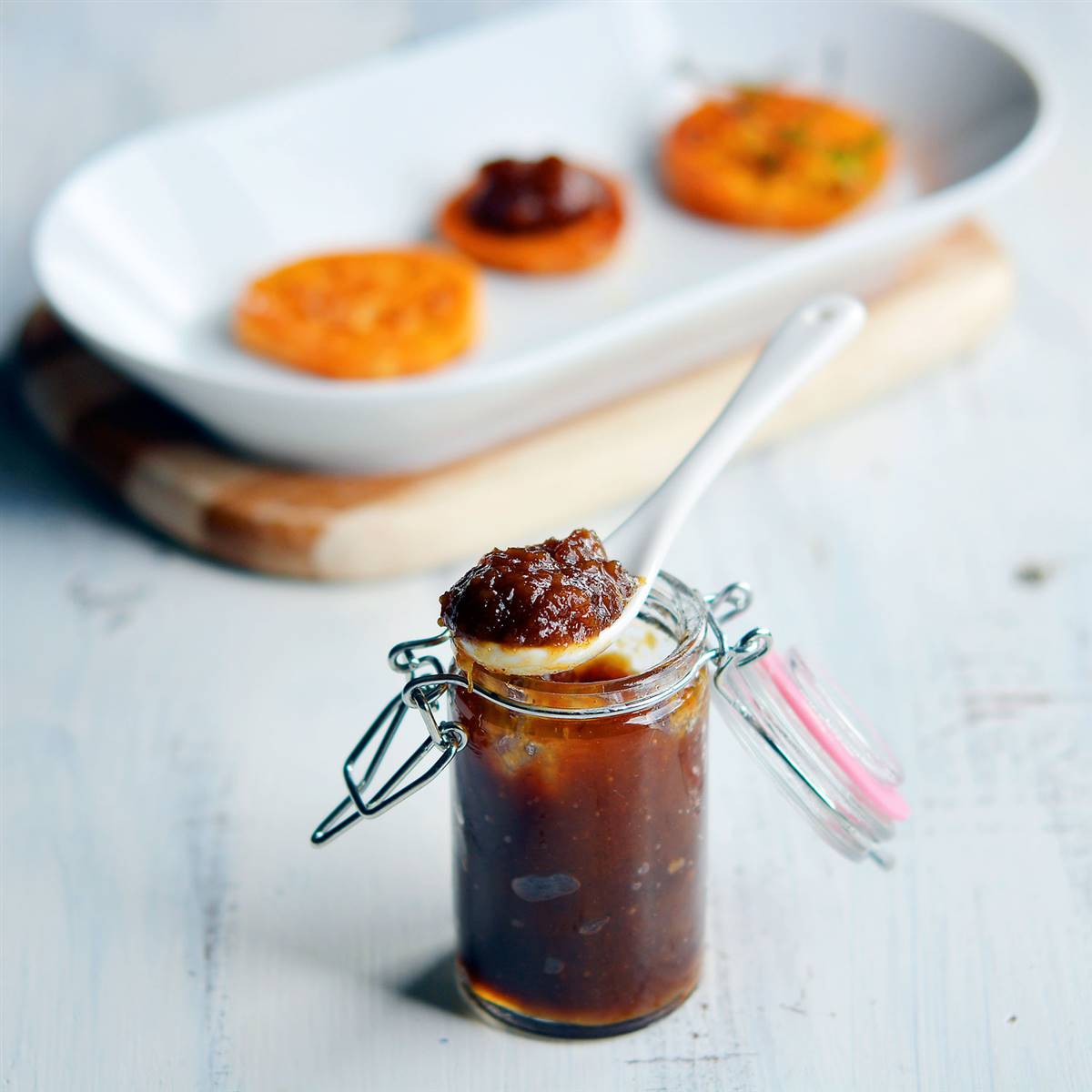
6. CHUTNEY WITH CARROT PEELINGS, GINGER AND CUMIN, BY SIMON HORWITZ
We can not only take advantage of the stems, but also the peelings of the carrot. With them, chef Simon Horwitz, head of the Elmer restaurant in Paris, prepares this spicy chutney. It is collected in the blog Cuisine Anti-Gaspi, specialized in cooking against food waste.
To prepare a jar of chutney you will need:
- 200 g washed carrot skins
- 50 g fresh ginger
- 2 g cumin grain
- 50 g acacia honey
- 40 g cider vinegar
- Flower of salt
Caramelize the honey and tear it down with the cider vinegar. Reduce it and, when you have syrup consistency, add the carrot skins.
Then grate the ginger and lightly toast the cumin in the pan (without oil). Add them to the preparation and let cook gently for 20 or 30 minutes until they have been candied. Try in case you have to add more spices or salt and, if it is to your liking, let it cool. Keep it in the fridge.
7. PEAR AND APPLE GELATIN, BY STEVEN SATTERFIELD
This American chef is an advocate of reuse. In his restaurant Union Millet serves omnivorous organic food and places special emphasis on the use of parts of food that are not usually used, from the stems of fennel and radishes to the woodier stems of some vegetables. Make vinegar with cherry pits and vegetable bottoms with leftover vegetables. This gelatin is made with the hearts, skins and damaged pieces of pears and apples.
If you accumulate 4 cups of pear and apple waste, you can prepare gelatin using also:
- 2 cups apple cider
- 1 cup apple cider vinegar
- 1 cup sugar
- 1/4 cup fresh or frozen lingonberries
- 1/2 teaspoon fine sea salt
Cook the peelings and leftovers of apple, pear or both with the rest of the ingredients in a saucepan with two cups of water for half an hour, until the fruit tends to fall apart. Pass it through a thin strainer over a bowl to collect the liquid and, without pressing the remains, leave them for a while to finish releasing the water.
Pour the liquid back into a saucepan and let cook for about 20 minutes, over very low heat, until it reduces about three quarters and forms large bubbles. Let cool and ready. If it is very liquid you can return to the fire and reduce a little more, but avoid caramelizing.
You can store it in the fridge for up to two weeks or store in sterilized jars.
8. ROASTED PUMPKIN SKIN, BY ANNE MARIE BONNEAU
The “zero waste chef” Anne Marie Bonneau, from her blog and her book The Zero Waste Chef offers a wide variety of simple recipes to use. An example is this simple idea: to take advantage of the skin after making a pumpkin cream, we can roast it and eat it as is.
In an oven at 175 ºC, put pieces of pumpkin skin of 5 to 7 cm, add olive oil and salt, and bake 20 minutes.
By the way, we can also roast the seeds.
9. STRAWBERRY LEAVES AND REMAINS FOR A VINAIGRETTE, BY ALISON MOUNTFORD
Chef Alison Mountford is behind the Instagram account endsandstems (which could be translated as “tips and stems”). There he shares his secrets for a family kitchen, simple and zero waste.
When we prepare strawberries, it is common to end up with a lot of leaves and pieces of fruit (the caps or whitish parts) in the trash. She proposes to take advantage of everything to make a simple vinaigrette.
Place leaves and leftovers in a glass jar and cover with white wine, cider or rice vinegar. Add a little sugar and, if you want, a little lemon zest. Let it macerate in the fridge, covered, for 48 hours, and shake it from time to time so that the sugar dissolves. You can use this vinaigrette in your salads.
10. OLD LETTUCE TO MAKE A QUICK VEGETABLE CREAM, BY JUAN ARBELAEZ
This Colombian chef based in Paris is another popular instagramer who encourages Juanarbelaezchef in his account to reduce what we throw away. It has, for example, a popular cake made with blackened bananas. And to take advantage of that lettuce that stayed in the fridge and we no longer feel like it in the salad, he proposes this simple cream.
Lightly sauté garlic and onion in a saucepan with a little olive oil, add the thickly cut lettuce and cover it with water. Room with sea salt and let cook over medium heat 15 minutes. Then you crush it and correct it with salt. Decorate it with a thread of oil.