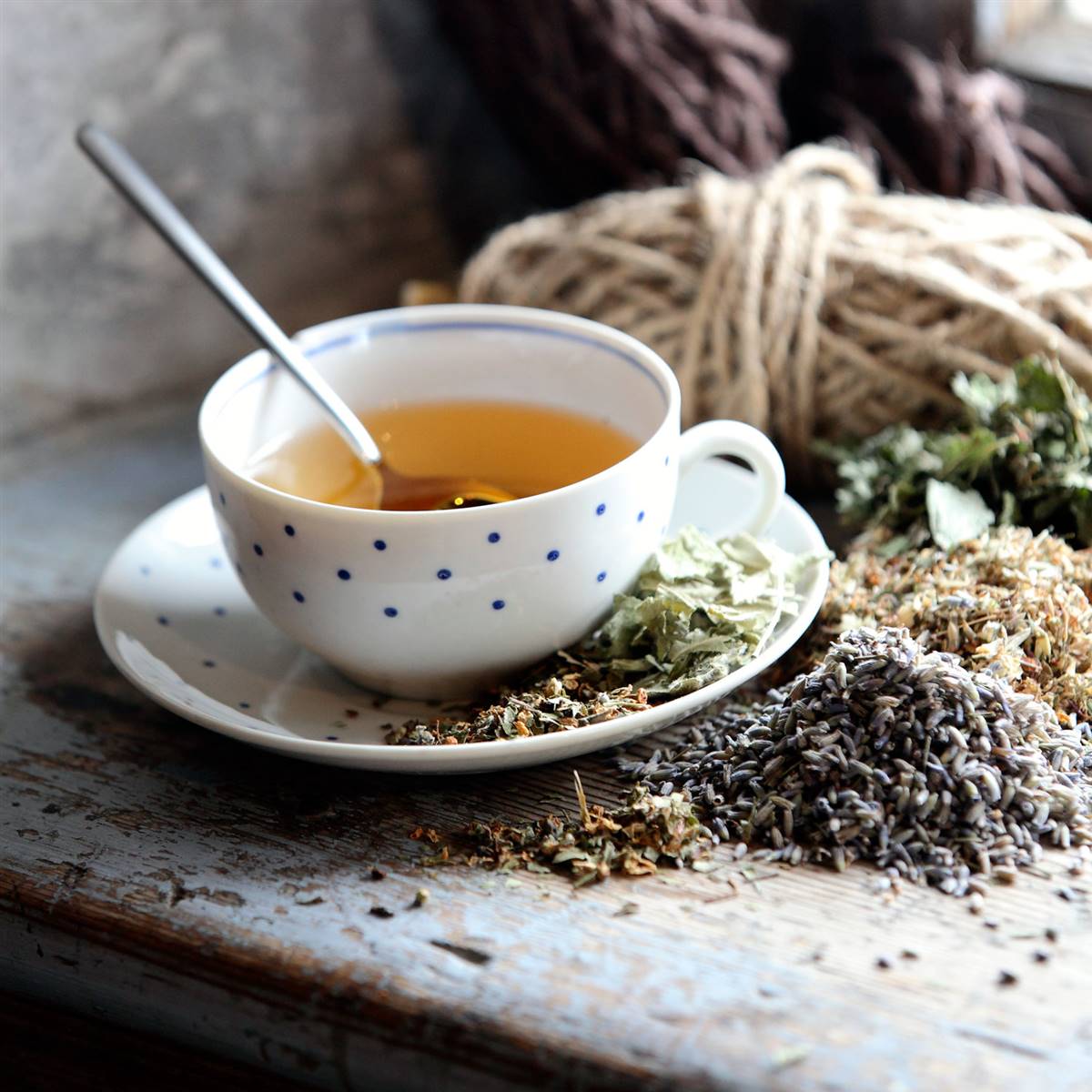
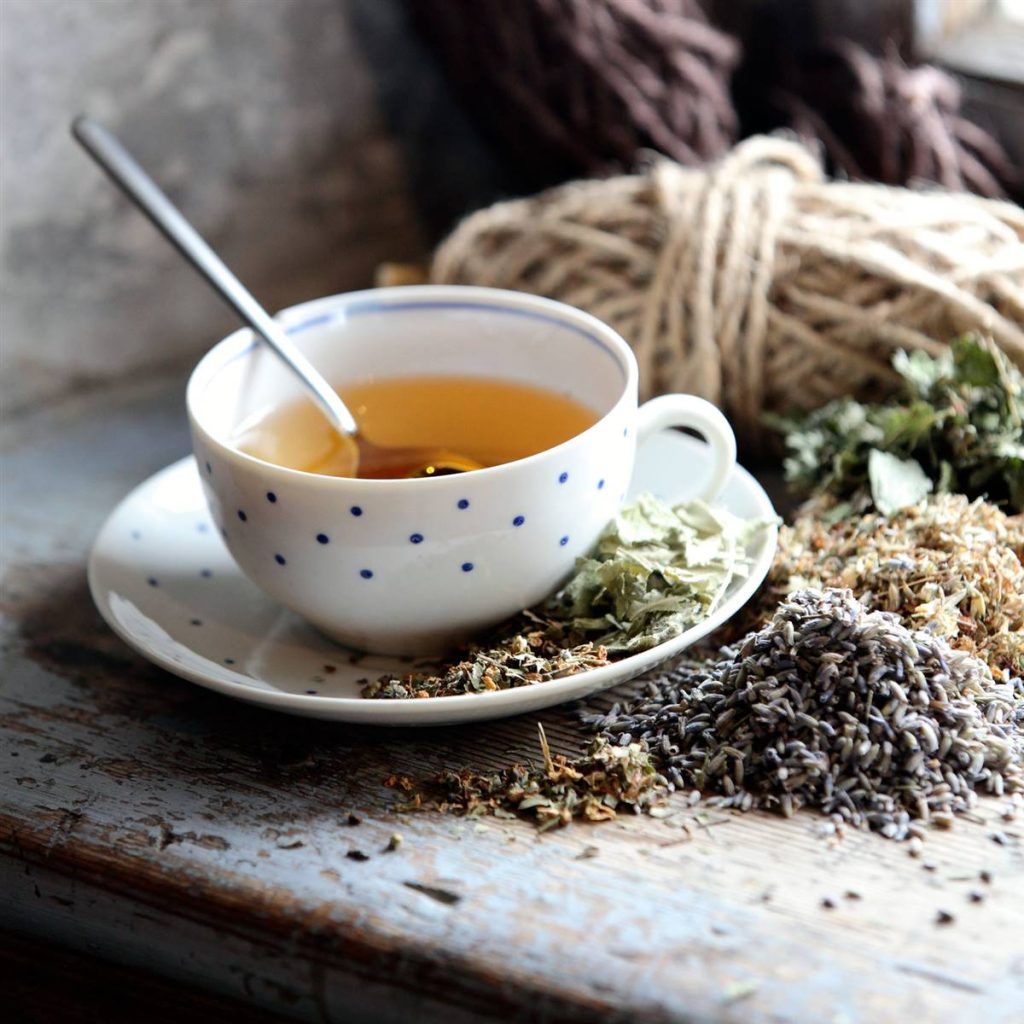
These digestive infusions for after eating have a delicious Mediterranean aroma. You can improve digestion by enjoying each sip of the aroma and flavor.
Eating quickly, eating too much or eating foods that do not feel good can cause digestive discomfort, usually mild. In fact, everyone, who more, who less, at some point we have suffered the symptoms of poor digestion, such as stomach heaviness, heartburn or reflux, insomnia, abdominal distension, flatulence, etc.
There are many digestive plants that help us prevent and alleviate these specific disorders naturally. Mint, thyme, chamomile or ginger are some of the most used herbs to promote digestion. With them, simple and very effective digestive infusions are prepared, but we can also take advantage of them to prepare mixtures of aromatic digestive tisanes.
Why make aromatic digestive infusions? Because the aroma in infusions also has a therapeutic action. Our body responds to olfactory stimuli and certain essences stimulate the activation of salivation and other mechanisms that favor the digestive process.
In this article we propose some recipes for infusions for digestion, each with a Mediterranean touch, which you will enjoy with all your senses:
- Infusion for acidity with lemon aroma
- Infusion for nausea with ginger and rosemary
- Balsamic infusion with juniper for heaviness
- Infusion for gases, sweet and very aromatic
1. INFUSION FOR ACIDITY WITH LEMON AROMA
There are many factors that can produce gastric acidity. Not for nothing, it is a very common digestive disorder. When the problem arises punctually, it can appear as a result of stress, very heavy meals or inadequate eating habits (eating quickly, abuse of processed foods, etc.).
Some plants help us relieve that burning sensation and gastric pain that occasionally appears after a meal, so they are ideal for preparing digestive infusions for after eating.
Licorice root is one of the most widely used natural remedies for relieving heartburn and also for its treatment. Its extracts have also been shown to promote the healing of gastric ulcers.
To attenuate the acidity that occurs in a timely manner after a meal, we will use licorice and other digestive plants. We will add an aromatic Mediterranean touch taking advantage of the lemon peel.
Take note of the ingredients for this lemon-scented digestive infusion recipe:
- 1 tablespoon dried lemon peel in pieces (citrus juice is discouraged in case of gastric acidity because it could further irritate the mucosa)
- 1 tablespoon licorice root
- 1/2 tablespoon dehydrated and chopped lemongrass
- 1/2 tablespoon lemon balm dehydrated leaves
- 1 liter of filtered water
WHY INCLUDE LEMON IN DIGESTIVE INFUSIONS
The lemon tree (Citrus limon) is a tree of Asian origin, as well as the orange and other citrus fruits that probably come from a single tree. It was introduced in Spain by the Arabs and its cultivation soon spread to the rest of the countries of the Mediterranean Basin thanks to favorable climatic conditions.
The fruit of this tree so aromatic and rich in properties has conquered our palates very soon. So much so that today it is considered a symbol of culinary tradition in many Mediterranean countries.
The juice and peel of the lemon are used to flavor sweet and savory dishes. The juice and pulp stand out for the high content of dietary fiber and vitamin C, the skin is rich in eupeptic essential oils, that is, they help improve digestion.
In infusion mixes, dehydrated lemon skin has a dual function. It is used both to aromatize and improve the flavor of therapeutic plants, and to enhance the digestive properties of the mixture.
2. INFUSION FOR NAUSEA WITH GINGER AND ROSEMARY
When we eat food contaminated by toxins, our body reacts to get rid of those substances. Nausea is a very unpleasant sensation that we can experience because of this process of eliminating toxic substances.
When presented in a timely manner, we can take advantage of the antiemetic properties of ginger rhizome and other plants that help reduce nausea, dizziness and other symptoms associated with the intake of indigestible, poorly cooked or preserved foods.
To promote good digestion, we can combine ginger with rosemary and other plants with similar properties:
- 1 tablespoon rosemary leaves
- 1 tablespoon peppermint leaves
- 1 slice of fresh ginger about 3-4 mm cut into small pieces
- 1 liter of filtered water
HOW ROSEMARY IMPROVES DIGESTION
Rosemary is a typical shrub of the Mediterranean scrub with an unmistakable aroma. In spring or summer, during flowering, you can easily identify it and feel its perfume when you walk along coastal paths, in the countryside or in the mountains.
Its scientific name, Rosmarinus officinalis, indicates that we are facing an herb with medicinal properties. In fact, rosemary is particularly indicated to take care of the digestive system. The essential oils of its leaves are used to relieve the symptoms of different digestive disorders.
In case of nausea, the aroma of rosemary helps to soothe and its active ingredients in infusion help accelerate the digestive process reducing the symptoms of indigestion.
3. BALSAMIC HERBAL TEA WITH JUNIPER FOR STOMACH HEAVINESS
Family gatherings or gatherings with friends on weekends and holidays usually take place around a table, where we often eat more than usual, have a few drinks and try heavier meals.
These very pleasant situations for us may not be so pleasurable for our digestive system, which will have to work harder.
Eating and drinking in moderation is key to preventing the effects of heavy digestion. But, when we get out of our eating routine a little, we can take advantage of the benefits of a digestive infusion with juniper and citrus.
You can finish lunch or dinner with a tea prepared with:
- 5 juniper fruits (ripe and dried) chopped
- 1 whole lemon, cut into pieces
- 2 whole oranges, cut into pieces
- 1 liter of filtered water
WHY JUNIPER IS SO DIGESTIVE
Juniper is a shrub that grows from sea level to mountain. Depending on the environment and climatic conditions where it develops, it will be higher tree-shaped or lower, like an erect or prostrate shrub. Of course, it is a very resistant plant that adapts to different climates, altitudes and terrains. Come on, with a strong character. And in the fruits, we find the concentrated essence of this plant.
The very scientific name of juniper, Juniperus communis, from Celtic juneprus, meaning “acre”, indicates the harsh taste of the fruits. These, in addition, are characterized by a balsamic aroma.
The small fruits ripen very slowly and are rich in resins and essential oils that stand out for their digestive properties.
Surely you know that these fruits are used in the preparation of liqueurs and distillates that are taken as digestives to finish meals. But did you know that infusions with juniper fruits are also prepared with the same objective?
At your next dinner with friends or family, you can surprise your guests with a scented and delicious digestive tea.
4. INFUSION FOR GASES, SWEET AND VERY AROMATIC
Gas production is a normal process due to the transformation of food during digestion. However, in some people there is excessive production that causes discomfort and pain at the abdominal level.
The causes of excess gas can be many, from the intake of foods that our body does not digest well, eating quickly, eating carbonated drinks, chewing gum, smoking, etc.
Detecting what causes this disorder is important to prevent it and, when it appears in a timely manner, infusions are our allies.
You can prepare a carminative digestive tea with a Mediterranean touch by mixing these medicinal herbs:
- 1 tablespoon crushed fennel fruits
- 2 tablespoons Roman chamomile (Chamaemelum nobile))
- 1 tablespoon cumin fruits
- 1 liter of filtered water
MORE DIGESTIVE INFUSIONS WITH FENNEL
We have mentioned lemon, rosemary and juniper as typical Mediterranean plants to aromatize digestive infusions, but the eupeptic and carminative Mediterranean plant par excellence is undoubtedly fennel (Foeniculum vulgare).
Fennel fruits contain essential oils, among which anethole stands out, which gives it its characteristic aniseed aroma, the same as green anise and star anise.
In infusion it is especially indicated as digestive and to prevent digestive discomfort such as gas and abdominal distension.
HOW TO PREPARE THESE DIGESTIVE INFUSIONS
All these digestive infusions are prepared as herbal teas: adding the mixtures of plants in boiling water, cover with a lid and let stand 10 minutes before filtering.
They can be taken after large meals or dinners to prevent typical digestive discomfort such as slow digestion, bloating, nausea, flatulence, etc.
They are also indicated to relieve specific digestive discomfort.
People who follow some pharmacological treatment or suffer from a disease should consult with the doctor himself if they take the indicated plants for the first time. In any case, it is recommended not to exceed 3 cups of infusion per day and avoid prolonging the treatment for more than a week in a row.